The type of truck you choose determines not only the safety of your cargo; it also determines costs, delivery time and regulatory compliance. The wrong choice means rejected loads, delays or unnecessary extra costs.
This overview covers the 8 most commonly used trucks in logistics, including their applications and what to consider when organising your transport. Make the right choice for every shipment.
Summary
Types of Trucks
Tautliner (Curtainsider Truck)
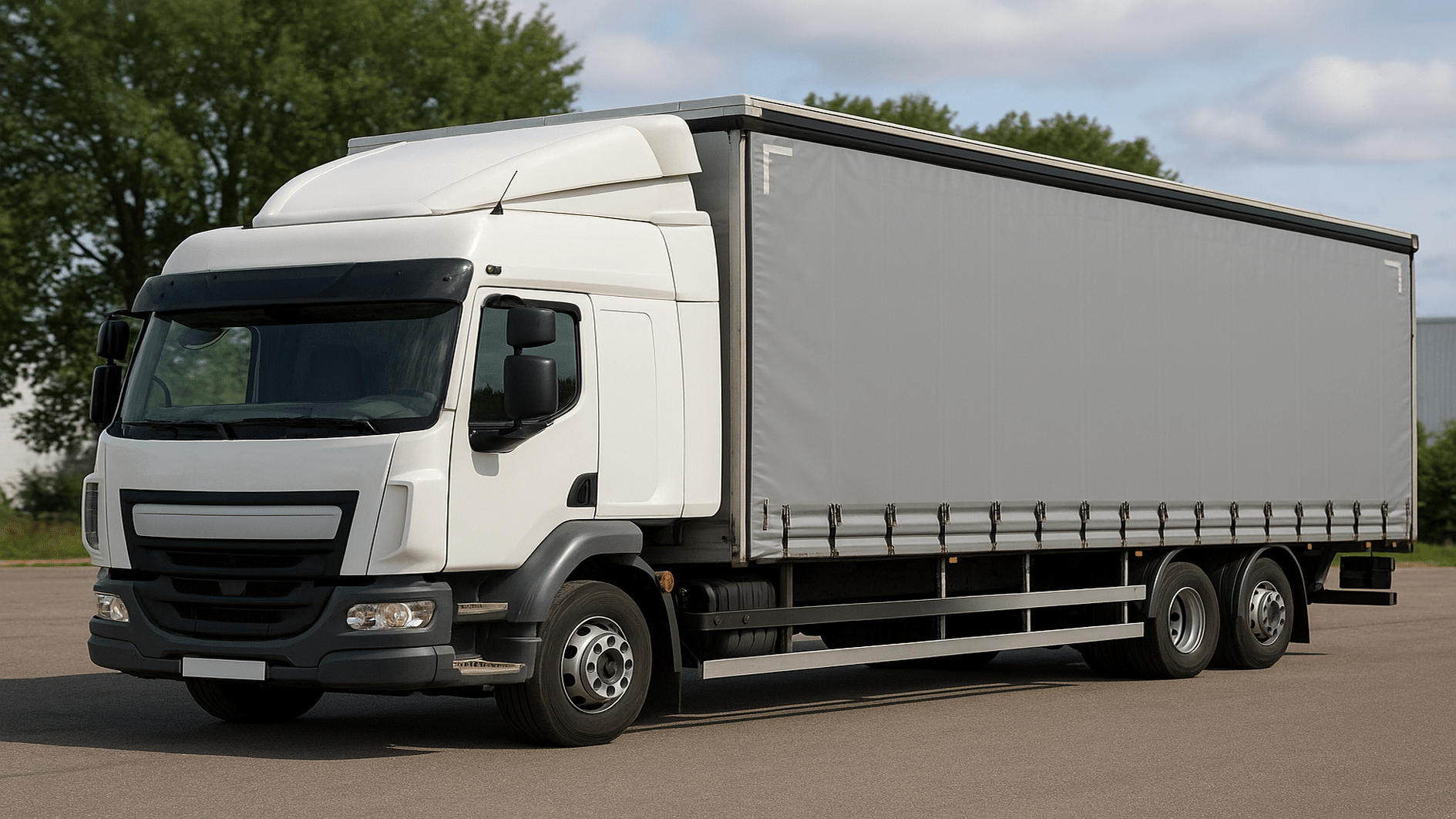
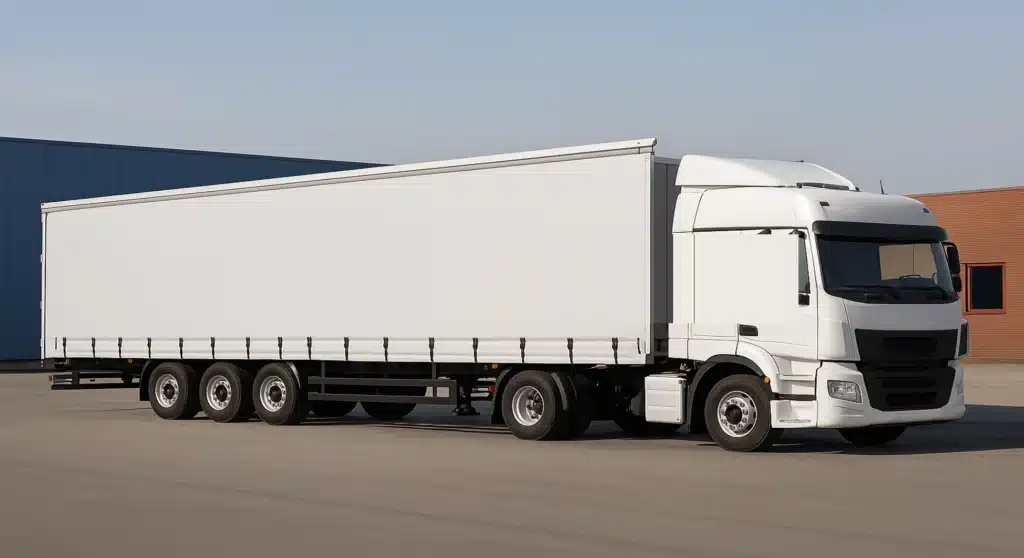
Tautliners are among the most common trucks used in road transport. They are known for their ease of loading and unloading, which allows for a streamlined delivery process. Their curtain-like sides can be pulled back to allow side or overhead loading, and they can be tightly secured to protect cargo. These trucks are particularly useful when you need frequent access to the goods during transit or multiple stops for unloading. Tautliners are generally lower in cost compared to more specialized trucks.
- Common Uses:Transporting wide or long cargo that can not be loaded from, and goods that need quick loading/unloading.
Dry, Refrigerated and Isotherm Truck
Trucks can be chosen based on the temperature needs of the cargo. It is important to understand the difference between these types of trucks to avoid complication and damaging the goods.
- Dry Truck: Standard truck for non-perishable items that do not need temperature control. Dry trucks are the most economical option, suitable for a wide range of goods that do not require specific temperature or climate conditions.
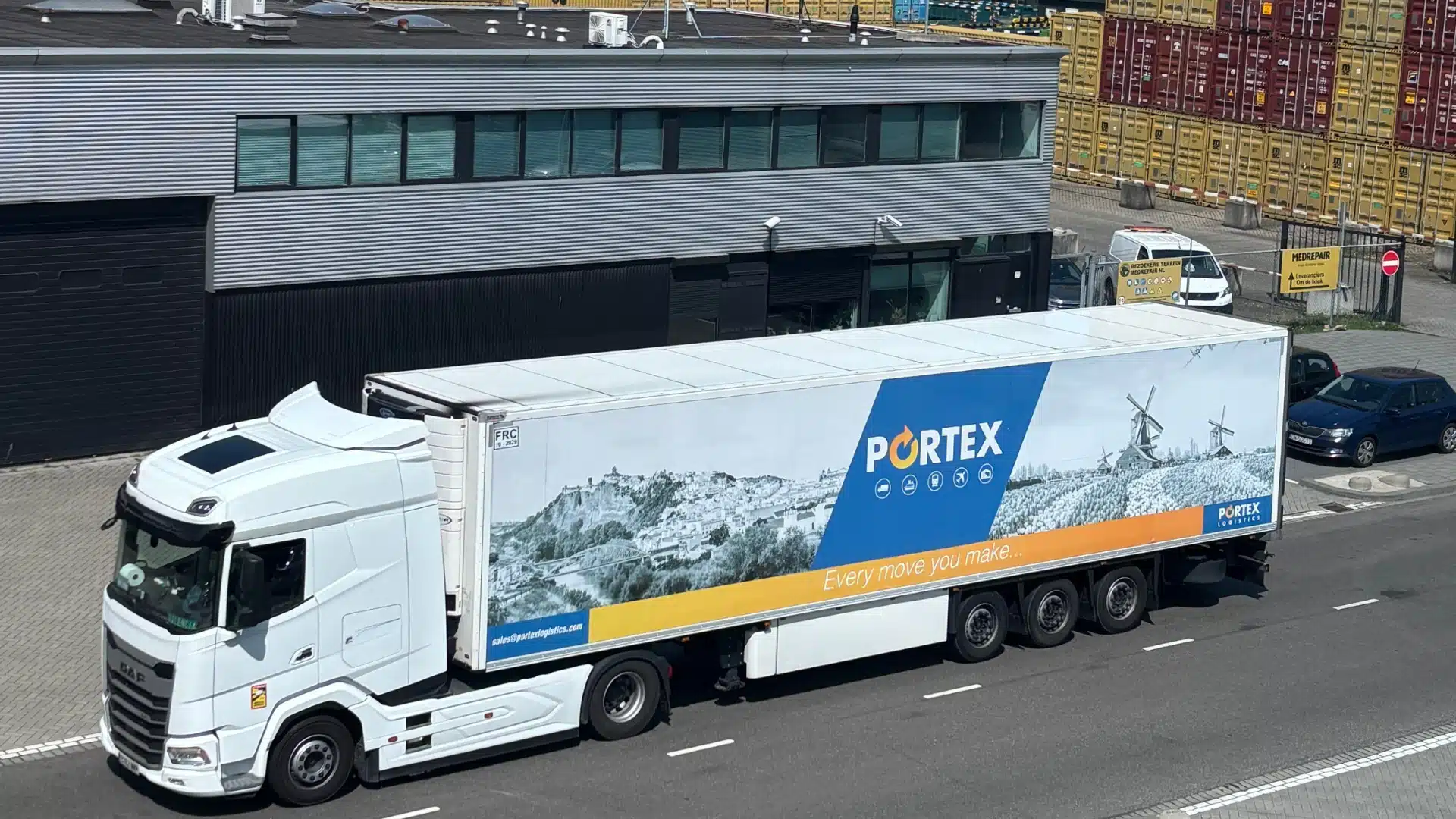
- Refrigerated Truck (also called “frigo” by us): Equipped with cooling systems for perishable goods like food, beverages, and pharmaceuticals. These trucks have slightly reduced capacity due to refrigeration units and are higher in cost compared to dry trucks. They are essential for industries that require strict temperature controls to maintain product quality during transit.
- Isotherm Truck: Insulated trucks that maintain a constant temperature without active cooling, suitable for goods like dairy or chocolate. These trucks are also higher in cost compared to standard trucks and are ideal when passive temperature maintenance is sufficient rather than active refrigeration.
Open Platform (Flatbed) Truck
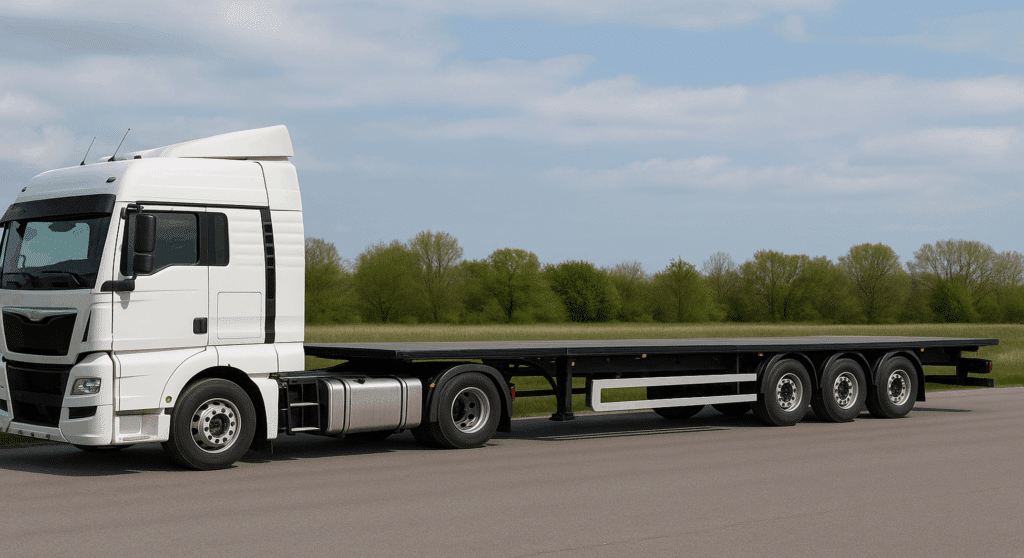
Flatbed trucks are highly versatile, with no roof or sides. They are perfect for loads that require overhead loading, as well as machinery and other items that cannot fit inside a conventional enclosed trailer. Flatbeds are more cost-effective for transporting oversize loads, although permits may be needed for wide or heavy cargo.
- Common Uses: Oversize and irregularly shaped cargo, such as construction beams, transporting vehicles like cars, motorcycles and heavy machinery, as well as moving industrial equipment.
Container Truck
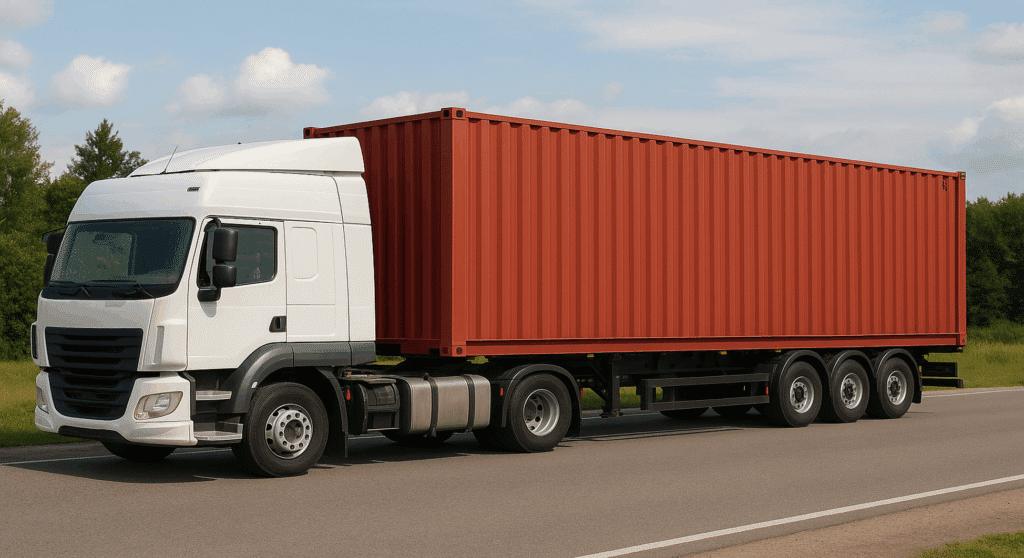
Container trucks are used to move shipping containers, often seen at ports for multimodal transportation. They can handle both standard and high cube containers, offering flexibility based on cargo volume. Container trucks are generally in the average cost range and are versatile for both short and long-distance hauls. They provide an efficient solution for transporting goods in sealed containers, often used in international shipping, connecting ocean shipping with road transport.
- Common Uses: International and cross-continental transport, moving containers between ports, distribution centers, and warehouses.
Box Trailer Truck
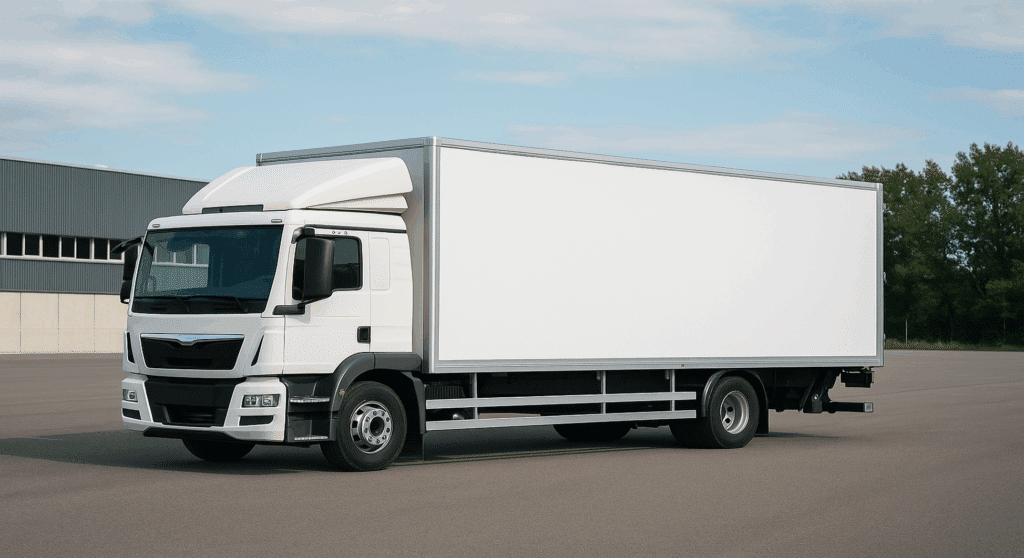
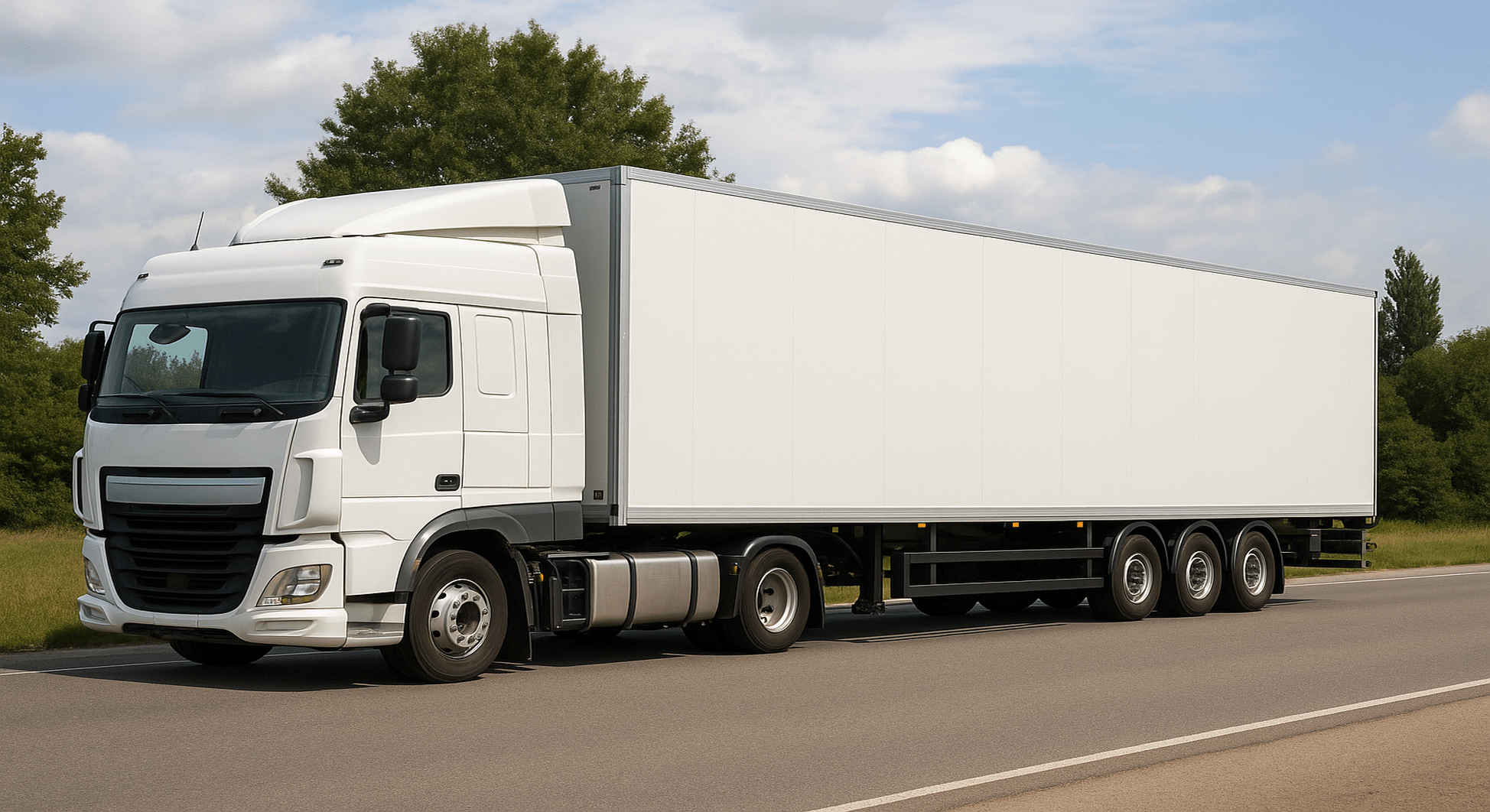
Box trailer trucks are large containers attached to a truck chassis, providing a secure enclosed space. They are popular for short-distance deliveries within cities and even emergency transports due to their easy maneuverability and secure cargo area. Box trucks are typically lower in cost compared to temperature-controlled trucks, making them budget-friendly for standard loads.
- Common Uses: Transporting high-value cargo, furniture, household goods, and consumer electronics that need protection from weather or theft.
Tanker Truck
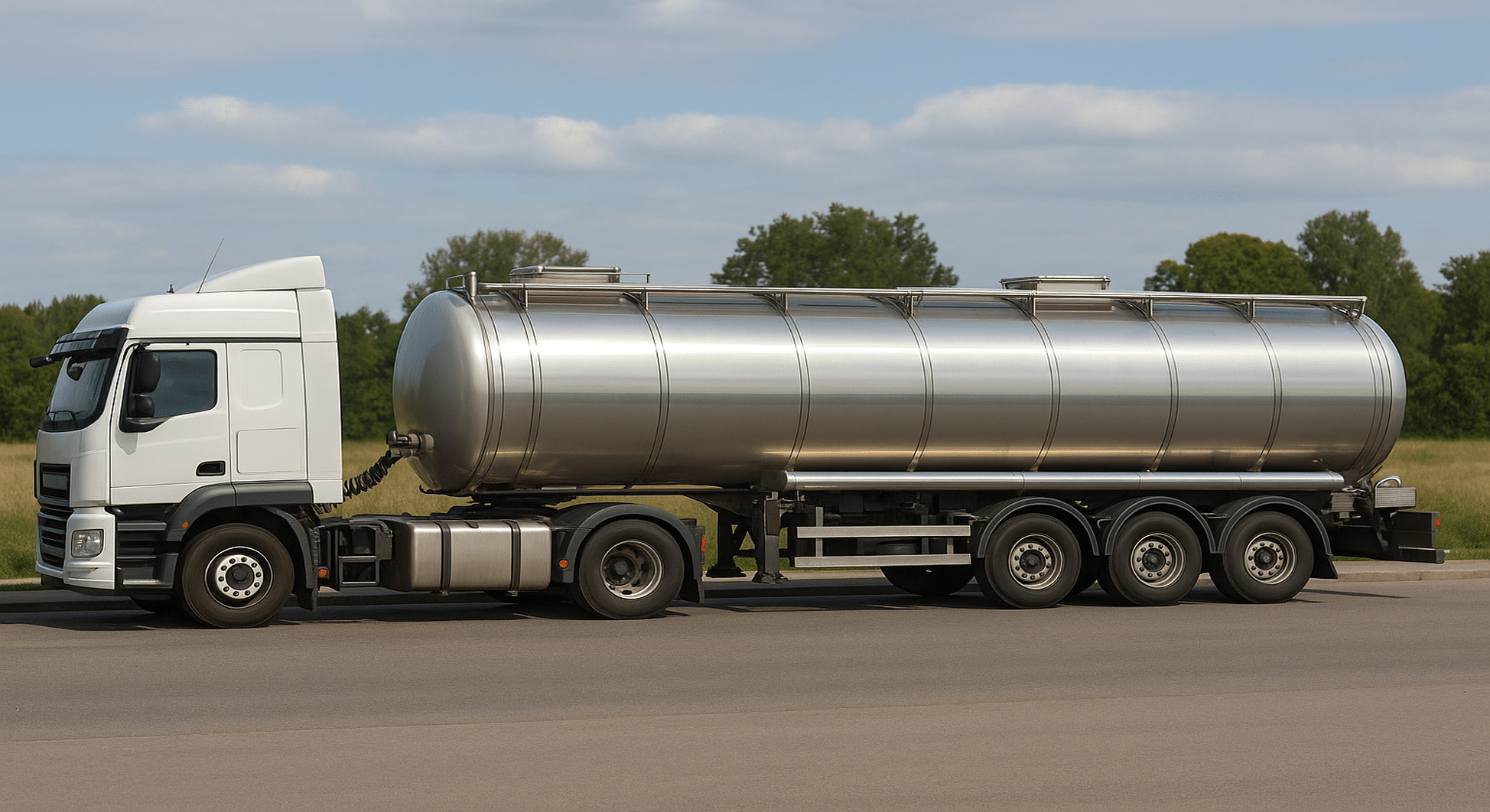
Tanker trucks are designed with cylindrical containers to maintain stability and are equipped with safety features to prevent leaks. Tanker trucks are essential for transporting ADR (hazardous) goods, ensuring compliance with all safety regulations. Due to their specialized design and additional safety measures, tanker trucks are higher in cost compared to standard trucks.
- Common Uses: Transporting fuel, chemicals or other bulk liquids, including hazardous materials that require strict handling and safety standards.
Tail Lift Truck
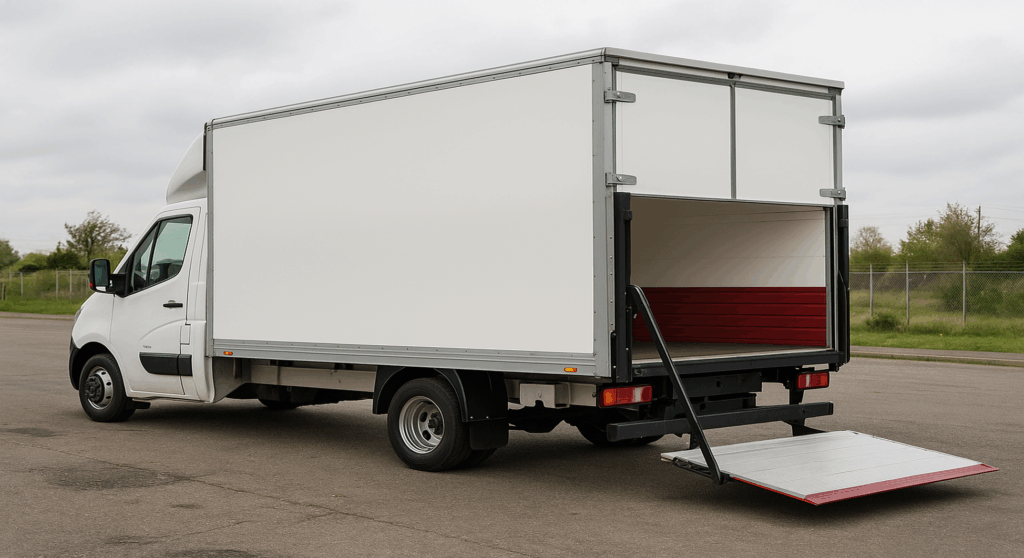
Tail lift trucks come equipped with a hydraulic platform for easier loading and unloading, making them ideal for goods that cannot be manually lifted. These trucks are especially useful for deliveries without loading equipment, particularly in urban areas where loading docks may not be available. They tend to be slightly more expensive than standard trucks due to the hydraulic equipment.
- Common Uses: Retail goods, home deliveries, and warehousing supplies that require additional assistance with loading or unloading.
Huckepack Truck (Intermodal Trailer)
The Huckepack truck is designed for combined road and rail transport. Its main feature is a wheeled, reinforced semi-trailer that can be loaded directly onto rail wagons without unloading the goods. This type of truck is ideal for long-distance routes within Europe and enables more sustainable logistics by reducing the exclusive use of road transport. While it has a slightly higher cost, it offers an efficient solution for intermodal supply chains.
- Common uses: Transport of palletized or industrial goods via European rail corridors, combining efficiency, sustainability, and reduced handling times.
Common Mistakes in Choosing the Types of Trucks
Choosing the wrong types of trucks can lead to costly issues, from damaged cargo to delays. Here are some common mistakes to avoid:
- Not Considering Cargo Requirements: It’s crucial to consider the specific needs of the cargo, such as temperature control for perishable items or ADR compliance for hazardous materials. Choosing the wrong truck can lead to spoilage, legal penalties, or other complications.
- Ignoring Weight and Size Limits: Choosing a truck without considering the weight and size of the cargo can lead to overweight fines, safety hazards, or damage to the cargo. Ensure the truck is appropriate for the load dimensions and weight.
- Underestimating Security Needs: High-value goods require added security. Choosing a standard dry truck instead of an enclosed box truck can increase the risk of theft or damage. Always consider the value and sensitivity of the cargo.
- Overlooking Loading/Unloading Accessibility: Different trucks have varying ease of loading and unloading. Choosing a truck without considering loading dock availability or equipment, such as a tail lift, can cause delays, especially in urban areas.
Are you looking for an specific truck?
Or do you have a specific load to transport? Whether it’s standard palletised freight, temperature-controlled cargo or hazardous goods; Portex arranges the right vehicle and manages the full journey. Get in touch and we’ll find the right solution for you.
Curious about which type of container best suits your cargo?
No truck is complete without the right container. In our article on the 11 most common container types in logistics, you’ll find out which one fits your goods best; whether it’s for cold chain, liquids, or oversized cargo
Click here to read the full article on container types in logistics