European road transport regulations are designed to keep freight moving safely, efficiently, and fairly across borders. Here are the 10 most important rules, explained in a clear and easy-to-scan format.
1. Driving Times and Rest Periods
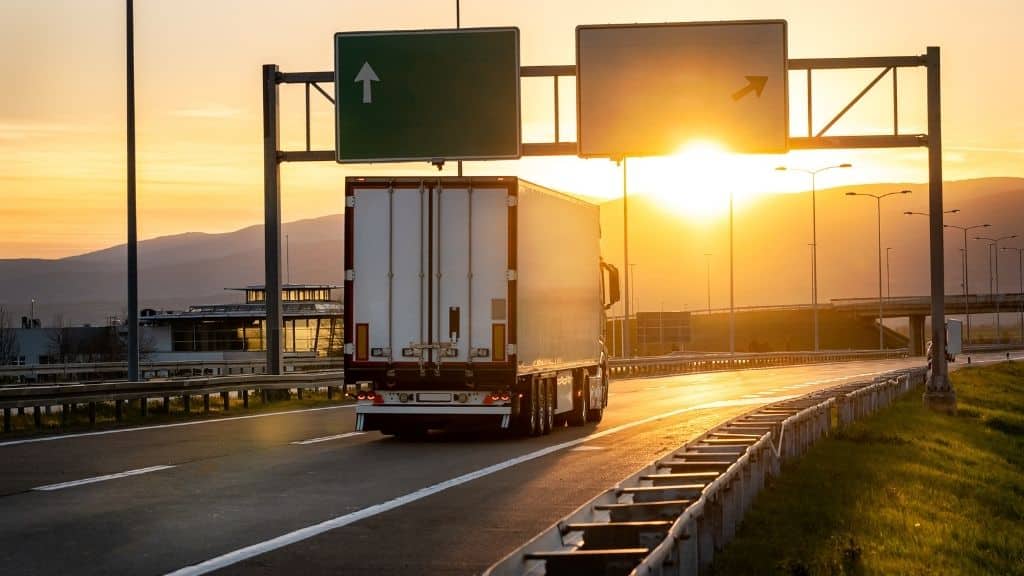
When transporting cargo internationally, there are strict road transport regulations for drivers since driver fatigue is a significant risk in the logistics sector. The EU enforces these rules to ensure road safety and prevent accidents.
- Drivers can drive up to 9 hours per day (10 hours twice per week) with a 45-minute break after 4.5 hours. And a weekly driving limit at 56 hours, with a maximum of 90 hours in 2 weeks.
- Digital Tachographs used to record driving times, breaks and rest period are mandatory.
These road transport regulations are not just about protecting drivers but also safeguarding other road users, making roads more secure and predictable for everyone.
More information on driving time and rest periods is available here.
2. Vehicle Regulations and Emission Standards
European regulations standardize vehicle dimensions and environmental performance to improve safety and sustainability.
- Trucks have a max width: 2.55 m (2.60 m for refrigerated trucks)
- Euro 6 emission standard required
- Mandatory regular safety checks and maintenance
By enforcing these standards, authorities reduce emissions and maintain uniform safety levels across Europe.
Learn more about vehicle dimensions and standards.
3. Customs and Cross-Border Transport
Customs requirements depend on whether goods move within or outside the EU.
- Free circulation of goods within the EU Single Market
- VAT reporting still required for intra-EU transport
- Customs declarations mandatory for non-EU countries
- TIR system used to simplify international transit
Proper customs compliance prevents border delays and avoids unexpected costs.
Explore more about customs and transit systems.
4. National Driving Restrictions
Road transport regulations often vary by country, imposing additional requirements on logistics operators.
- Sunday and public holiday driving bans
- Seasonal rules such as winter equipment requirements
- Country-specific speed limits for trucks
- Night driving bans in some urban areas
Understanding local restrictions is essential when planning international routes.
Discover more about special rules for truck drivers in Europe.
5. European Modular System (EMS) and LHVs
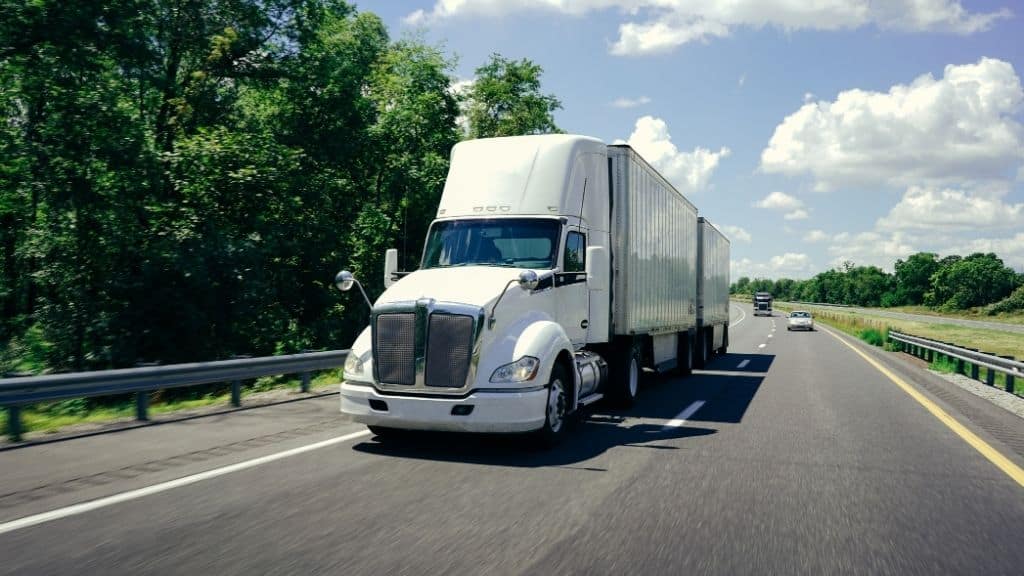
Due to sustainability goals and the need to reduce emissions, some European countries have implemented special road transport regulations that allow the circulation of larger vehicles.
- Longer and heavier vehicles permitted in selected countries
- Common in the Netherlands, Sweden, and Finland
- Restricted to approved routes and infrastructure
While beneficial, EMS regulations vary widely and require careful planning.
For more detailed information on the dimensions, regulations, and benefits of EMS and LHVs, you can explor TRALERT’s comprehensive guide.
6. EU Mobility Package
The EU Mobility Package harmonizes road transport regulations across member states.
- Fair wages and working conditions for drivers
- Clearer cabotage rules
- Improved enforcement of driving and rest times
- Measures to prevent unfair competition
These rules aim to create a more balanced and transparent transport market.
For more detailed insights, you can visit the European Commission’s Mobility Package page.
7. Driver Qualifications and Training
Professional drivers must meet strict qualification and training requirements.
- Valid CE driving license
- Mandatory CPC training
- Regular medical and fitness checks
- Knowledge of tachograph and safety regulations
Proper training ensures safe driving and full regulatory compliance.
8. Technology: A Game-Changer for Compliance and Efficiency
Technology plays a growing role in modern road transport compliance.
- Digital tachographs and electronic logging
- GPS tracking and route optimization
- Real-time vehicle and cargo monitoring
Digital tools reduce administrative workload while improving accuracy and efficiency.
9. Load and ADR Regulations
Cargo safety is regulated to prevent accidents and road damage.
- Loads must be properly secured during transport
- ADR regulations apply to dangerous goods
- Axle load and maximum weight limits enforced
Correct load handling protects drivers, vehicles, and infrastructure.
For additional tips on effective cargo handling and securing, visit Mtonroad’s guide.
10. Future Trends in Road Transport
Road transport regulations continue to evolve alongside industry innovation.
- Stricter sustainability and emission rules
- Expansion of alternative fuels
- Development of autonomous driving and platooning
- Increased digital enforcement and reporting
Staying informed about these trends helps logistics operators remain competitive and compliant.
Stay Compliant with Portex Logistics
At Portex Logistics, we manage European road transport in full compliance with all road transport regulations, ensuring smooth, safe, and reliable cross-border deliveries.
Want faster transit times without breaking the rules?
Learn how the Double Crew system keeps your transport compliant and on schedule
FAQs
| How many hours can a truck driver drive per day in Europe? A maximum of 9 hours per day, extendable to 10 hours twice per week. |
| Are there truck driving bans in Europe? Yes. Many countries apply Sunday, holiday, and seasonal driving bans. |
| Do road transport regulations differ per country? EU regulations apply across Europe, but national restrictions still vary. |
| What is ADR in road transport? ADR regulates the transport of dangerous goods by road in Europe. |