Moving to Bali from the Netherlands is an exciting step (congratulations!), but importing your household goods requires careful planning, strict documentation, and a solid understanding of Indonesian customs regulations. Are you shipping furniture, personal belongings, or relocating your entire household? Then, knowing how the process works helps you avoid delays, unexpected costs, and stress. This guide will help you with everything you need to know about moving to Bali from the Netherlands, including required documents, timing rules, and what you can and cannot import.
Contents
- Europe to Bali Relocations
- Required Documents
- Timing Rules
- What you can Import
- Restrictions and Prohibitions
- Trusted Partners
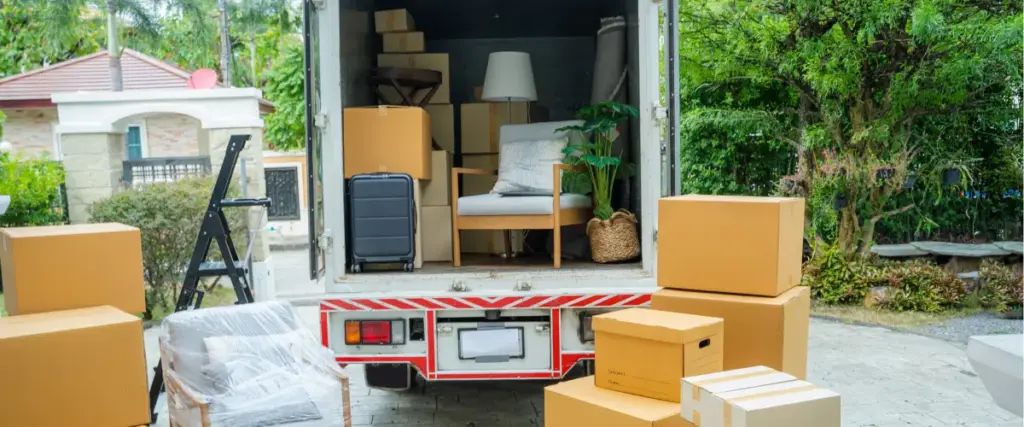
Shipping Household Goods to Bali from the Netherlands and Europe
When shipping household goods to Bali, most relocations from Europe are handled via a combination of international road transport and ocean freight. This applies not only when moving from the Netherlands, but also when relocating from Spain, Portugal, or other European countries.
Your goods are typically collected at your home, professionally packed, transported by road to the export port, and then shipped by sea to Indonesia. Once the shipment arrives, customs clearance and national delivery are handled locally. This structured approach is the most reliable way to manage relocating to Bali from Europe while complying with Indonesian import rules.
Required Documents for Importing Personal Goods into Bali
Indonesia has strict customs procedures, even for personal household goods. Correct and complete documentation is essential when importing personal goods to Bali.
You will typically need:
- A copy of your passport
- A valid Indonesian visa (KITAS, KITAP, work, retirement, or dependent visa)
- A detailed packing list in English, clearly describing all items
- A Bill of Lading for the shipment
- A signed statement confirming the goods are used, personally owned, and not for resale
*Tourist visas are generally not accepted for duty-free imports of household goods, so visa status should be confirmed before shipping.
Important regulatory note:
Import regulations for private household goods into Indonesia have become increasingly strict. Importing personal belongings is generally only possible for individuals holding a valid stay permit (such as an ITAS or KITAP). Depending on the individual case, a work permit (IMTA) may also be required. Without the appropriate permits, household goods may not be legally importable, regardless of the freight forwarder involved. Import requirements are subject to change, and final approval always rests with Indonesian customs authorities.
Timing Rules When Moving to Bali
Timing plays a crucial role when moving furniture to Bali or shipping personal belongings. To avoid delays and extra costs, it is important to keep the following timing rules in mind:
- Household goods should arrive within approximately 3 months before or after your arrival in Indonesia.
- Shipments arriving too early or too late may be subject to import taxes, storage fees, or customs clearance delays.
- Ocean freight transit times from Europe to Indonesia usually range between 30 and 45 days.
- Customs clearance in Bali typically takes one to two weeks, depending on whether inspections are required.

What You Can and Cannot Import into Bali
Commonly allowed items
- Used furniture
- Clothing and personal effects
- Kitchenware and household items
- Books and personal belongings
Restricted or prohibited items
- Brand-new goods or items that appear commercial
- Alcohol and tobacco products
- Weapons or drones without special permits
- Large quantities of electronics
Important import conditions:
To be eligible for import into Bali, household goods must meet the following conditions:
- All items must be clearly used and intended for personal use only
- Quantities must be realistic and consistent with normal household use
- Household goods are generally allowed only once per individual
- The shipment must be in the name of the visa holder
- Goods must arrive within the official time window around the owner’s arrival
Customs clearance in Bali is one of the most sensitive stages of the process and may involve communication with customs authorities, physical inspections, and the assessment of duties or taxes. If all conditions are met, household goods can often be imported duty-free, although customs officials always retain final authority.
Read more about Indonesian household goods import regulations here.
Moving to Bali? Portex Can Help
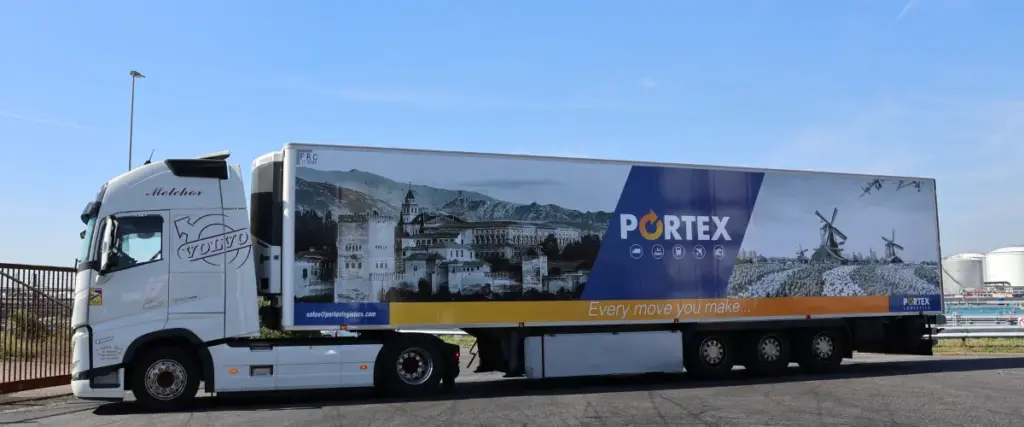
Planning a move to Bali can feel overwhelming, especially when it comes to shipping your household goods across continents. At Portex, we support relocations from the Netherlands, Spain, Portugal, and across Europe by managing the international road and sea transport with precision and transparency.
From pickup and export preparation in Europe to close coordination with trusted local partners for customs clearance and national delivery in Bali, we help turn a complex relocation into a well-organised process. If you are preparing your move to Bali and want clarity, reliability, and expert guidance from day one, Portex is here to support you every step of the way.
GET IN TOUCH
Request a Quote
FAQs
| Can I ship household goods to Bali on a tourist visa? In most cases, no. Indonesian customs usually require a valid residence-related visa such as KITAS or KITAP to import household goods duty-free. |
| How long does shipping household goods to Bali take? From Europe, ocean freight typically takes 30–45 days, followed by 1–2 weeks for customs clearance in Bali. |
| Do I have to pay import taxes when moving to Bali? Household goods can often be imported duty-free if all requirements are met, but customs authorities may impose duties or VAT if conditions are not fulfilled. |
| Can I ship new furniture to Bali? New items are generally restricted and may be taxed heavily. Shipping used personal belongings is strongly recommended. |
| Is it possible to move to Bali from Spain or Portugal? Yes. Shipping household goods to Bali from Spain, Portugal, or other European countries follows the same process and can be arranged upon request. |