Bulk cargo transport is a key part of global and European supply chains, particularly for industries moving large volumes of loose, non-palletised goods. In this article, we explain what bulk cargo transport is, the main types cargo, the transport modes and equipment used, how the process works, and the key considerations shippers should keep in mind before moving bulk goods.
Index
- What Is?
- Types of Bulk Cargo (Dry and Liquid)
- How to transport it
- Equipment Used
- Very Important Considerations
- FAQs
Starting with the basics:
What Is Bulk Cargo Transport?
Bulk cargo transport refers to the movement of unpackaged, loose goods that are loaded directly into a transport unit without pallets, boxes, or individual packaging.
Unlike palletised cargo, bulk cargo:
- Is loaded in large quantities
- Flows freely or semi-freely
- Requires specialised equipment for handling
It is commonly divided into:
| DRY BULK – SOLID MATERIALS | LIQUID BULK |
| Grains and cereals | Oils and fuels |
| Fertilisers | Chemicals |
| Cement | Food-grade liquids |
| Minerals and ores | Industrial liquids |
| Animal feed | |
| Industrial powders |
Because of the nature of these materials, the way they are transported differs from the standard trucks most people typically associate with regular freight transport.
How to transport bulk cargo
Bulk cargo can be transported using different modes, depending on distance, volume, infrastructure, and cargo characteristics. These are all the possibilities:
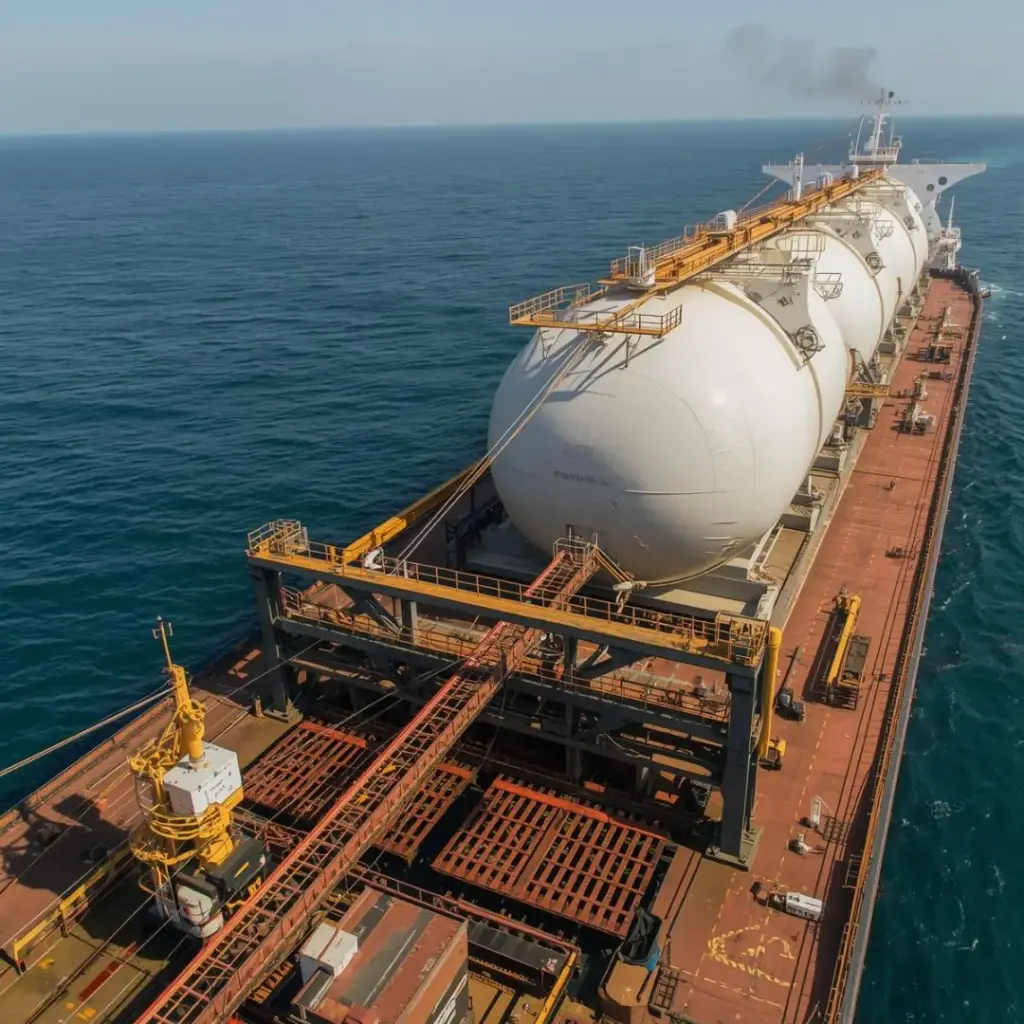
Sea Transport
Sea freight is the most common mode for it, particularly for international and intercontinental shipments. It is cost-efficient for large volumes and suitable for both dry and liquid bulk goods.
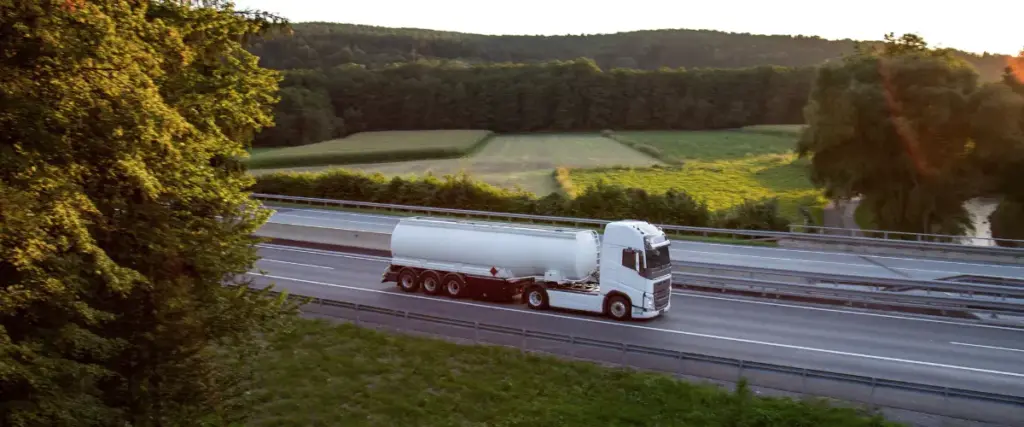
Road Transport
Road transport is widely used for:
- Regional bulk transport
- Intra-European movements
- First-mile and last-mile connections
This mode is common for agricultural products, powders, animal feed, and construction materials.
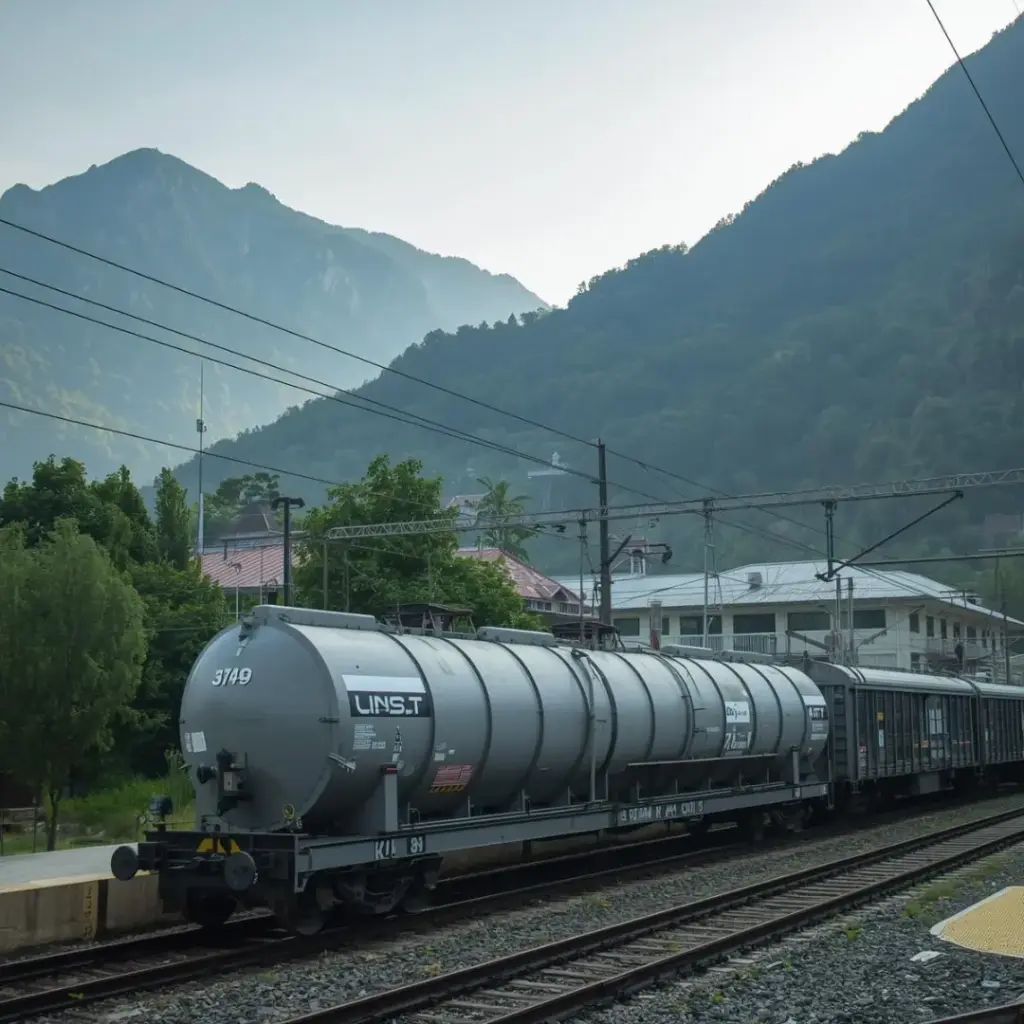
Rail Transport
Rail transport is well suited for:
- High-volume inland movements
- Long distances within Europe
- Multimodal transport combined with sea freight
It offers efficiency and sustainability benefits for bulk logistics.
Air Transport
Air transport is not typically used for this type of goods, due to volume and cost limitations. Only very specific, high-value powdered or chemical products may be transported by air under strict conditions.
Bulk cargo transport relies on specialized equipment designed to handle loose materials safely and efficiently.
Equipment Used for Bulk Transport
Bulk cargo transport relies on specialized equipment designed to handle loose materials safely and efficiently.
Containers and Transport Units
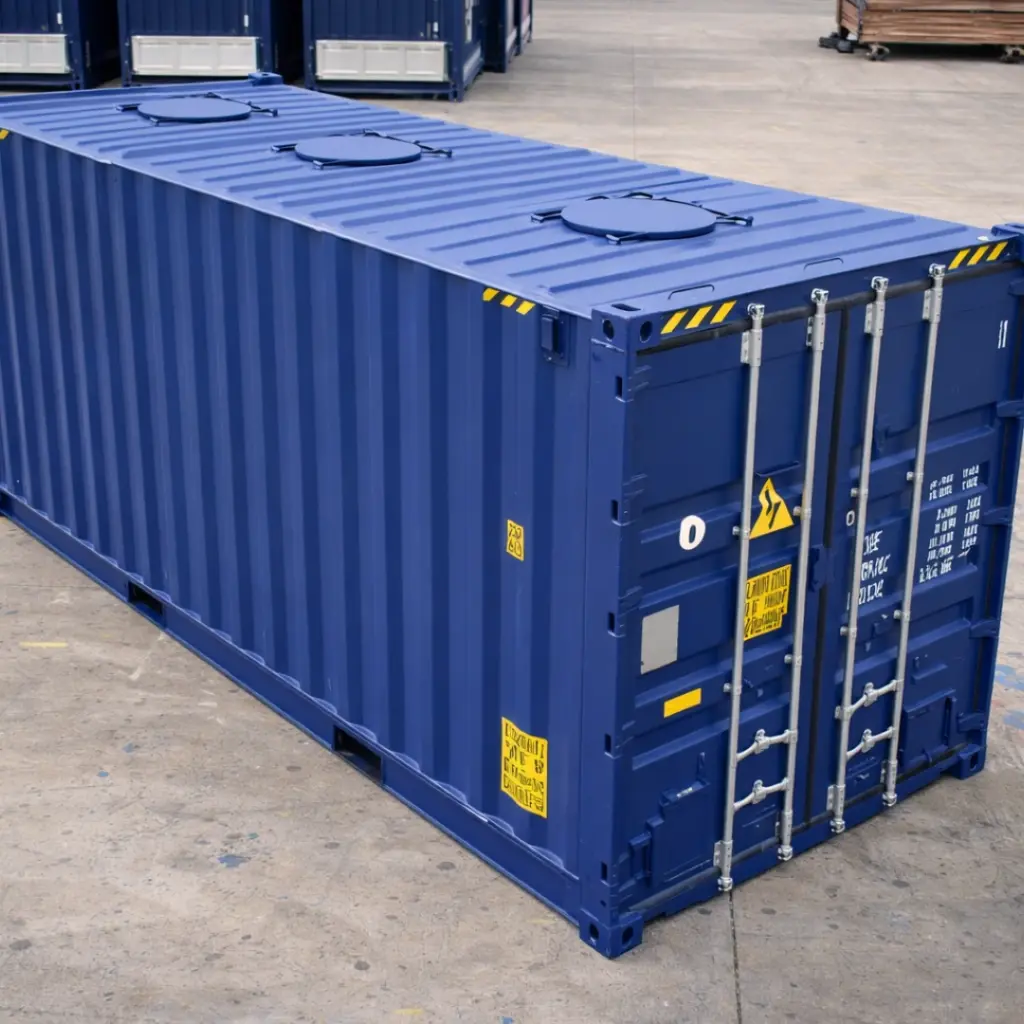
- Bulk containers with top loading hatches
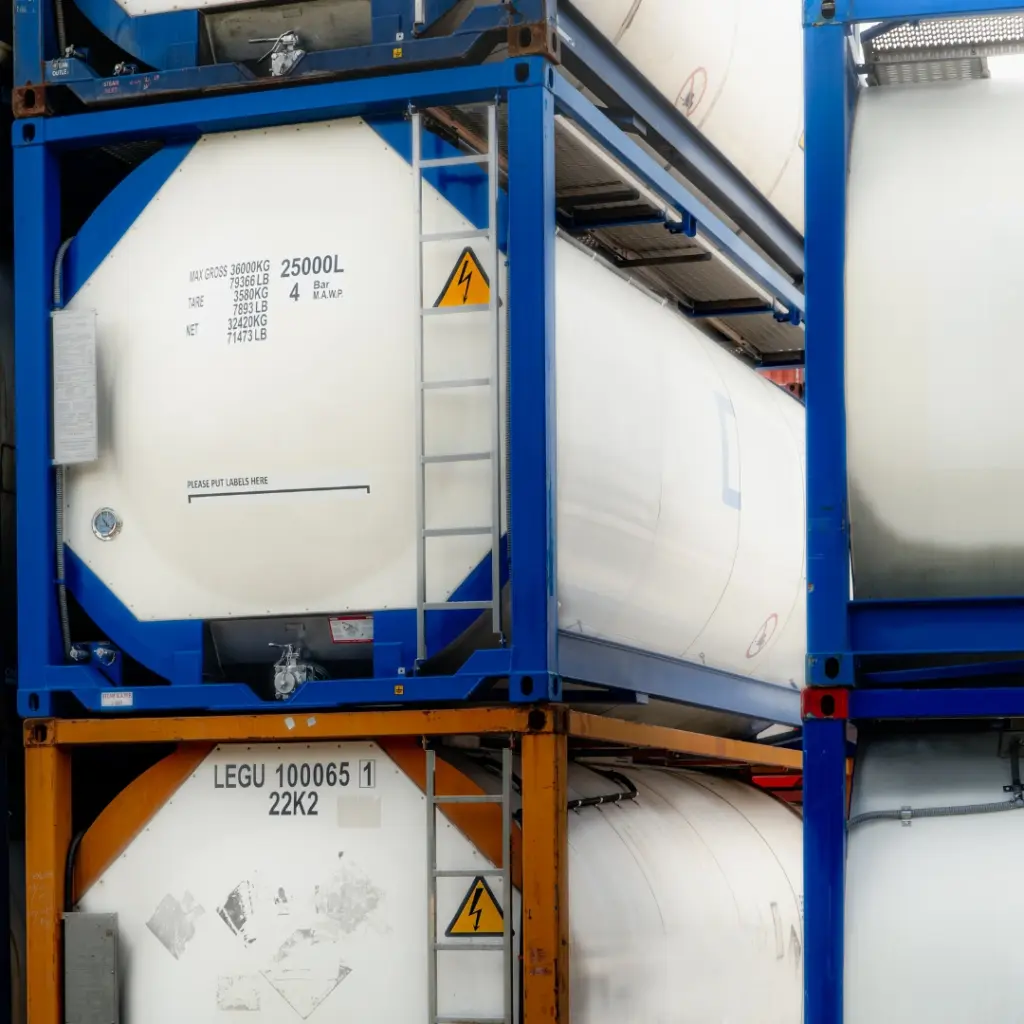
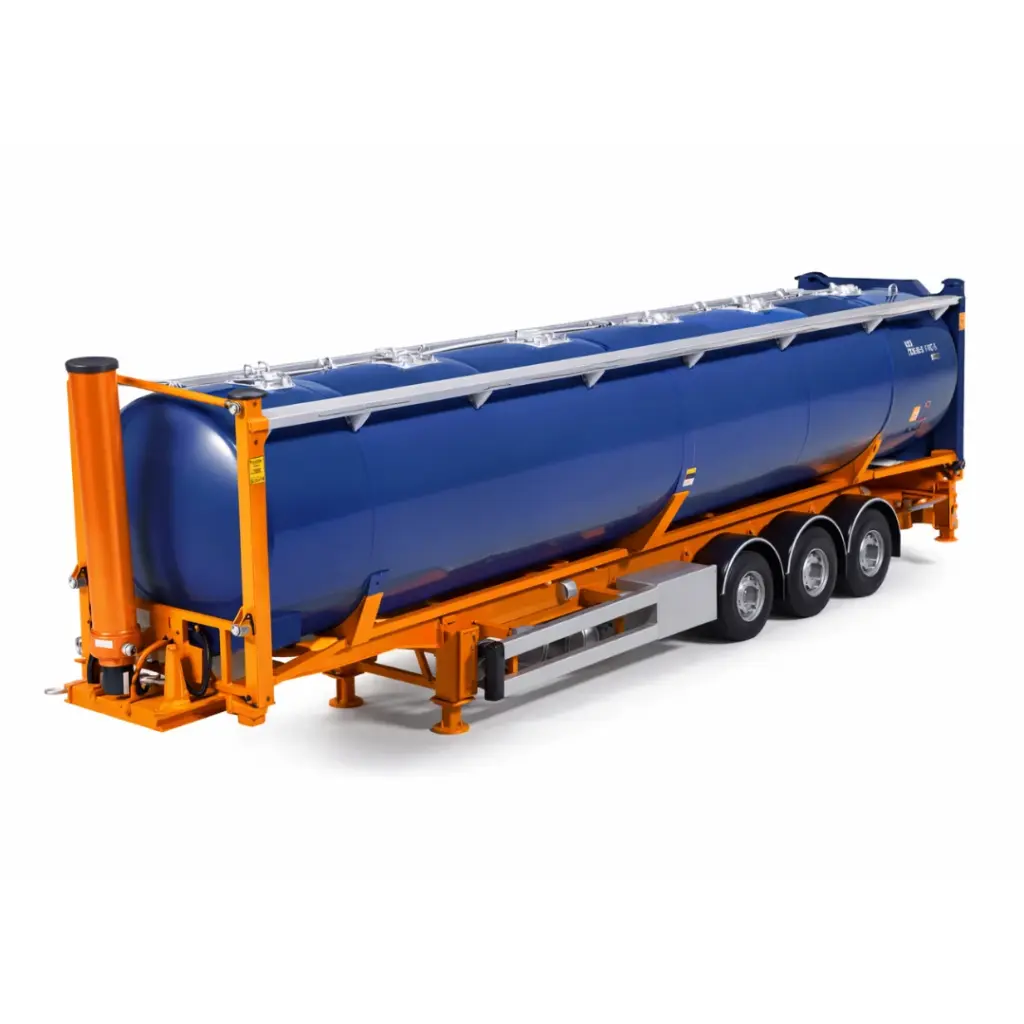
- Tank containers for liquids
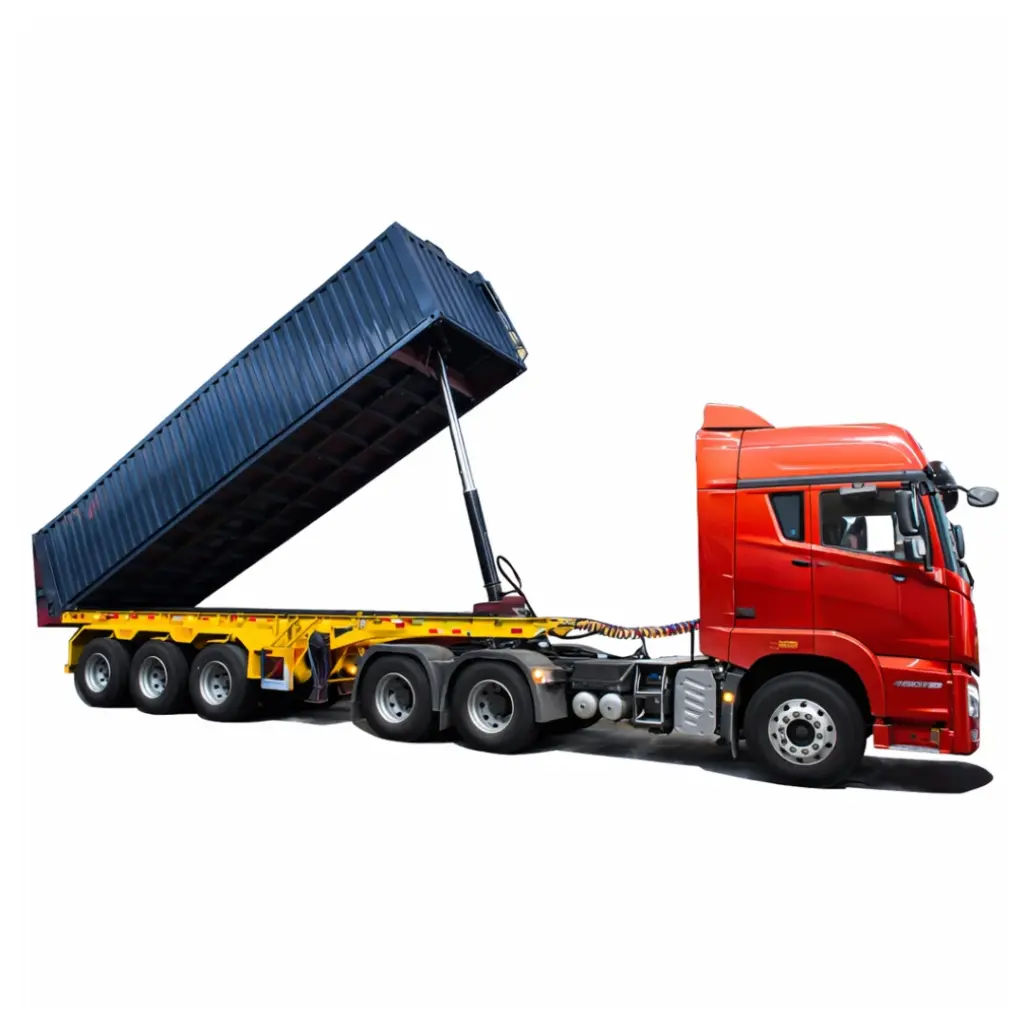
- Tipper containers
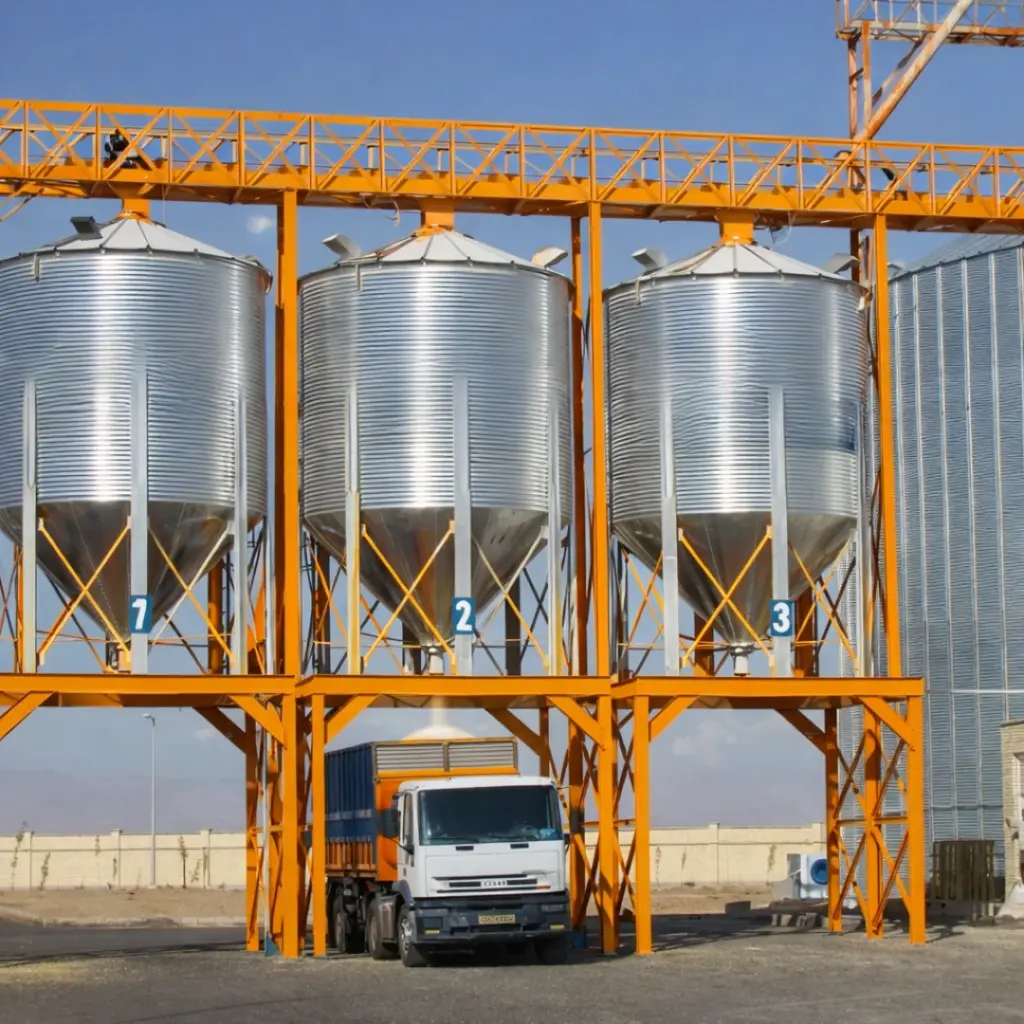
- Silo containers
Many bulk containers are designed with top openings and discharge outlets at the bottom, making them incompatible with standard loading docks.
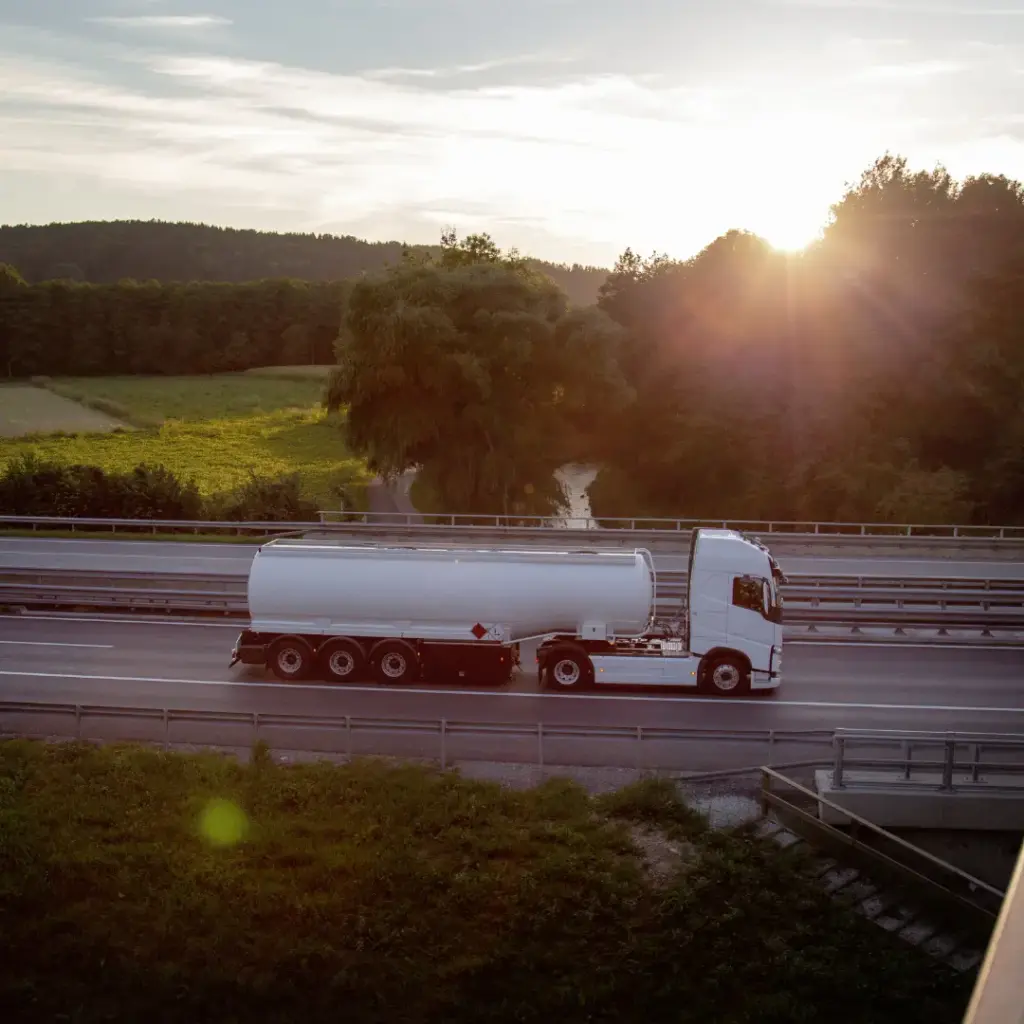
Trucks and Wagons
- Tipper trucks for gravity unloading
- Silo trucks with pneumatic discharge
- Tank trucks with pumping systems
- Rail wagons designed for bulk materials
Loading and Unloading Equipment
Depending on the cargo type, loading may require:
- Conveyors
- Pumps (for liquids)
- Cranes
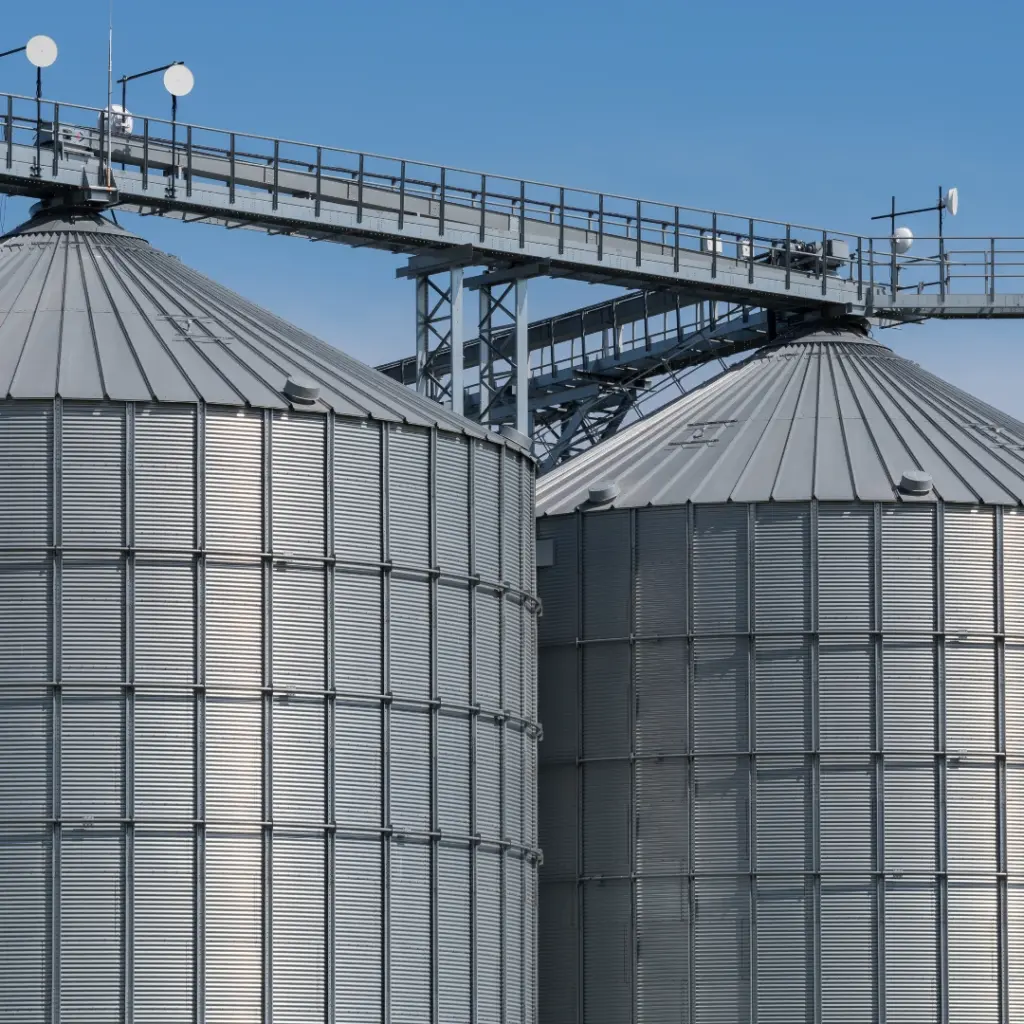
- Silos
- Pneumatic systems
This makes infrastructure compatibility a critical factor in bulk transport planning.
The choice of equipment depends on the cargo’s physical properties, volume, and loading and unloading infrastructure.
Very Important Considerations for Bulk Logistics
Bulk transport is efficient, but only if the right conditions are in place. Before arranging bulk cargo transport, always verify:
- Loading & unloading capability – Does the site have top-loading access, silo connections, pumps, or the required machinery?
- Cleaning requirements – Is certified cleaning needed (especially for food-grade cargo)? Are contamination risks controlled?
- Moisture & sealing conditions – Is the cargo protected against humidity and residue from previous loads?
- Weight distribution & stability – Has proper loading been planned to prevent shifting during transport?
- Regulatory compliance – Are food safety, dangerous goods, or customs regulations applicable?
- Destination suitability – Can the final delivery point physically receive bulk cargo?
Skipping these checks can lead to delays, extra costs, or cargo rejection.
Final Notes
If you have any questions about bulk transport or need support arranging transport, you can always reach out to us. Our team is available to help you assess your needs and find the most suitable transport solution.

FAQS
| What is the difference between bulk cargo and palletised cargo? Bulk cargo is transported loose, without pallets or individual packaging, and is loaded directly into containers, silos, or tanks. Palletised cargo is packed, stacked, and handled as individual units. |
| What is dry bulk transport? Dry bulk transport refers to the movement of solid materials such as grains, cement, minerals, fertilisers, or powders that are shipped loose in bulk containers, silos, or tipper trucks. |
| What is liquid bulk transport? Liquid bulk transport involves moving liquids such as oils, chemicals, fuels, or food-grade liquids in tank containers or tank trucks designed to prevent leakage and contamination. |
| Can bulk cargo be transported internationally? Yes. Bulk cargo transport is commonly used for international shipments by sea, rail, and road, depending on the origin, destination, and infrastructure available. |
| Do all facilities support bulk loading? No. Not all warehouses or production sites are equipped for bulk handling. It is essential to verify loading and unloading capabilities before arranging transport. |