Bulk transport between Spain and the Netherlands supports long-standing trade flows between Southern and Northern Europe. Spain has traditionally been a major exporter of grains, vegetable oils, animal feed, and other agricultural commodities, while the Netherlands acts as a key European hub for food processing, distribution, and industrial supply chains. Moving these high-volume goods between these two countries requires specialized bulk equipment adapted to the product type, density, and unloading system.
Index
- Bulk Transport Spain ↔ Netherlands
- Types of Bulk Cargo We Handle
- Equipment Used for Bulk Transport
- Considerations
- Expertise in Spain–Netherlands
- FAQs
If you are looking for transport, this is what we can cover for you:
Bulk Transport Services Spain ↔ Netherlands
The Spain–Netherlands corridor is one of the most dynamic freight routes in Europe. Seasonal agricultural exports, industrial raw materials, and construction-related commodities move in both directions throughout the year.
Our bulk transport services cover:
- Bulk transport from Spain to the Netherlands
- Bulk transport from the Netherlands to Spain
- Bulk transport between Spain and Belgium
- Bulk cargo flows between Spain and the Benelux region
Other European destinations can also be arranged upon request, depending on volume and equipment requirements!
Types of Bulk Cargo We Handle
Bulk transport on the Spain–Benelux route typically involves high-volume commodities that require specialized equipment and careful planning. Common cargo types include:
- Grain and cereals (dry bulk)
- Animal feed (dry bulk)
- Fertilizers (dry bulk / powder)
- Cement and construction materials (dry bulk / powder)
- Industrial raw materials (dry bulk / powder)
- Food-grade dry bulk products (dry bulk)
In daily operations, each commodity requires specific handling standards, cleaning protocols, and documentation. Let’s dive in the following section about the required equipment.
Equipment Used for Bulk Transport Between Spain and the Netherlands
Transporting bulk cargo across this corridor requires the correct equipment configuration. Depending on the product and unloading method, we coordinate:
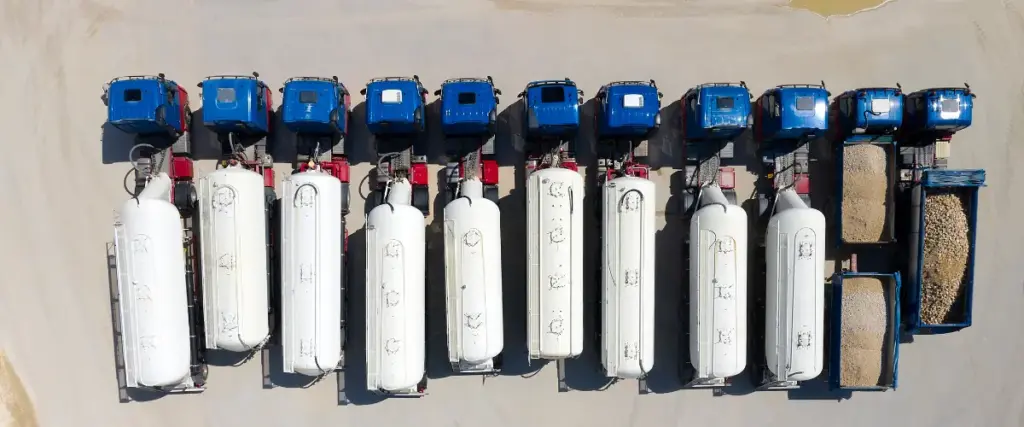
- Silo trucks (tipping silo trailers with hydraulic elevator system) for dry bulk goods such as grain, feed, and powders
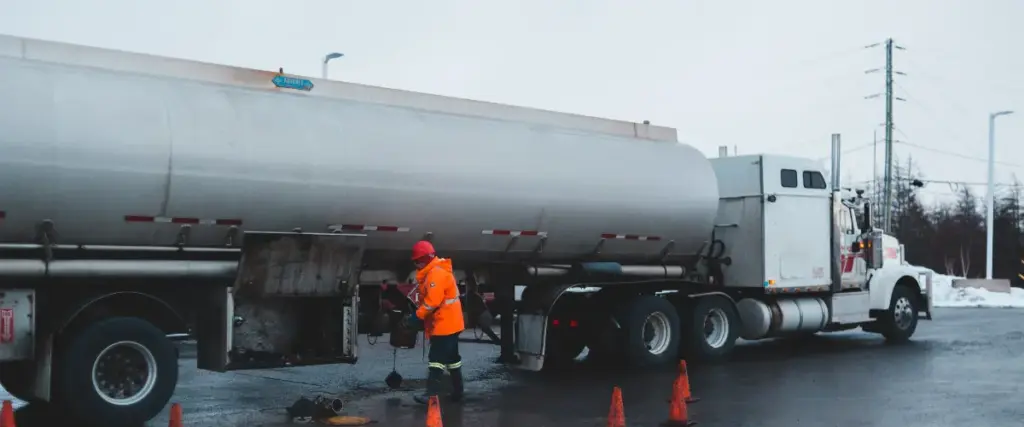
- Tanker trucks for liquid bulk transport (single or double-compartment tank trailers, when applicable)
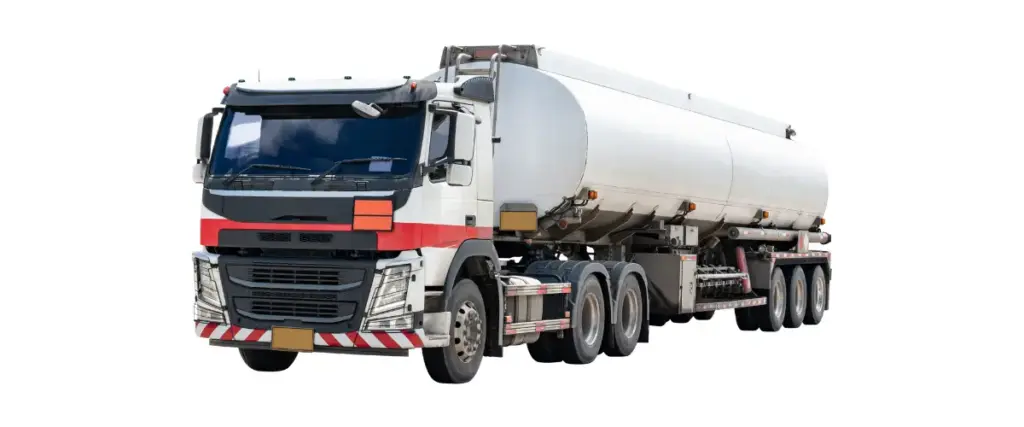
Equipment selection depends on cargo density, unloading systems, hygiene standards, and site accessibility.
Operational Considerations on the Spain–Benelux Corridor
When booking bulk transport between Spain and the Netherlands, several operational factors must be considered:
- Loading and unloading setup (Is there a silo? Pneumatic discharge? Enough height to tip the trailer?)
- Weight limits according to Spanish, Dutch, and EU regulations
- Type of product (dry bulk, powder, or liquid) and any hygiene requirements
- Cleaning certificates, especially for food-grade cargo
- Transport documentation required for international shipments
Careful evaluation of these elements helps prevent delays, regulatory issues, and unnecessary operational costs.
Dedicated Expertise in Spain–Netherlands Bulk Transport
If your company requires reliable bulk transport between Spain and the Netherlands, our team can assess your volumes, frequency, and equipment needs to develop a structured and scalable solution.
If you would like a broader understanding of how bulk transport works in general, including types, equipment, and process structure, you can read our detailed Bulk Transport Explanation guide.
FAQs
| What type of bulk cargo can be transported between Spain and the Netherlands? Dry bulk such as grain, feed, fertilizers, and powders is commonly transported, as well as certain liquid bulk products using tanker trailers. |
| What equipment is used for bulk transport on this route? Most shipments use tipping silo trailers with hydraulic lifting systems for dry bulk cargo. Liquid products are transported using single or double-compartment tank trailers. |
| Are there weight limits for bulk transport between Spain and the Netherlands? Yes. Maximum gross vehicle weight must comply with Spanish, Dutch, and EU road regulations. Load distribution and axle weight are also important considerations. |
| What infrastructure is required at the loading or unloading site? Facilities may require silo connections, pneumatic discharge systems, or sufficient height clearance for tipping trailers. |
| Can bulk transport be arranged to other European destinations? Yes. While Spain-Netherlands is a core corridor, other European routes can be organized upon request depending on volume and equipment availability. |