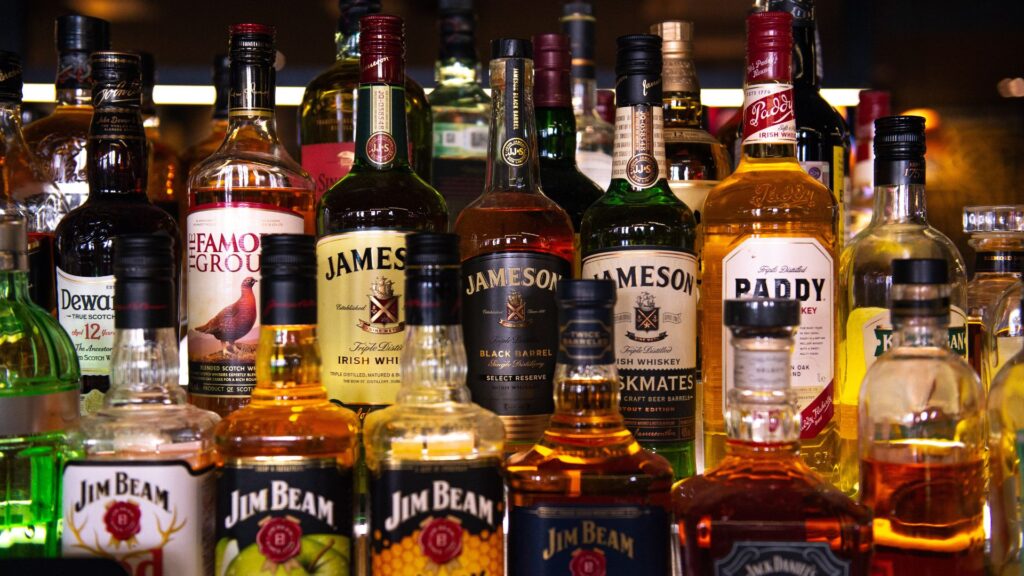
Beverage logistics involves more than simply moving pallets from A to B. From wine and beer to soft drinks, spirits and juices, transporting drinks across Europe requires careful planning, suitable transport equipment, secure handling, documentation and, for certain products, temperature-controlled conditions. This guide therefore answers the questions shippers ask most: which beverages you can ship, when you need refrigerated transport, what makes drinks challenging to move, and whether groupage or a full truckload fits your shipment. In particular, it focuses on routes between the Netherlands, Spain and Portugal.
What is beverage logistics?
Beverage logistics is the transportation, handling, storage and distribution of drinks from producers and suppliers to importers, distributors, retailers, hospitality businesses and other destinations. Depending on the product, it therefore runs as ambient or temperature-controlled road freight, as groupage or a full truckload, often combined with warehousing and customs documentation. Portex Logistics transports dry and refrigerated beverage cargo between the Netherlands, Spain and Portugal, from one pallet to a full truckload.
- Portex Logistics moves beverages by road between the Netherlands, Spain and Portugal, from one pallet to a full truckload.
- Dry (ambient) and refrigerated food and beverage cargo, depending on what the product requires.
- Groupage, FTL, warehousing, customs clearance and national distribution through one partner.
- Rotterdam-based, AEO-certified, PANCO member, providing international logistics since 2008.
What types of beverages can you transport?
You can transport almost any packaged drink across Europe, from wine and beer to spirits, soft drinks, juices and bottled water. For example, beverage shipments can include:
- Wine and sparkling wine
- Beer and craft beer
- Spirits and other alcoholic beverages
- Soft drinks and carbonated beverages
- Juices and fruit drinks
- Mineral and bottled water
- Energy and sports drinks
- Plant-based and other specialty beverages
Oils and other liquid food products also often travel on the same routes. However, different beverages have different logistics requirements: some products travel as standard ambient cargo, while others require temperature-controlled transportation or additional handling procedures.
Wine logistics
As one of Europe’s most important beverage commodities, wine moves constantly between major producing and consuming markets. A shipment may include bottles, cases, pallets or larger commercial loads. Because bottles are fragile and the cargo is relatively heavy, proper palletisation, load securing and suitable transport conditions are important. For that reason, Portex supports wine transportation between key European markets, including routes connecting Spain, Portugal and the Netherlands.
Beer transportation
Beer usually travels in bottles, cans, kegs or other commercial packaging. Breweries, importers, wholesalers and distributors, in turn, may need anything from smaller groupage shipments to full truckloads. Since beer shipments are heavy and involve large volumes of packaged products, efficient loading, secure handling and reliable delivery schedules are essential.
Spirits logistics
Spirits such as whisky, gin, rum and vodka, on the other hand, need additional attention because of their value, packaging and regulatory requirements. International spirits logistics can involve transportation, warehousing, customs procedures and, depending on the shipment and destination, excise-related formalities.
Soft drinks and non-alcoholic beverages
Beverage logistics is not limited to alcohol, however. Soft drinks, juices, bottled water, energy drinks and other non-alcoholic beverages also move across Europe, often in larger palletised quantities. As a result, efficient road freight and groupage are particularly useful for distributors moving products between several European markets.
Does beverage transport require refrigerated transport?
Not always: whether a beverage requires temperature-controlled transport depends on the product, its packaging, its specifications and the transport requirements. Some beverages travel as ambient cargo, while others need controlled temperatures to maintain product quality.
In practice, temperature-controlled logistics matters most for products that are sensitive to heat or cold. In addition, modern refrigerated transport can provide continuous temperature monitoring and visibility throughout a shipment. That is why Portex transports both dry and refrigerated food and beverage cargo, depending on the requirements of the shipment.
How do beverages get from Spain and Portugal to the Netherlands?
Most beverages from the Iberian Peninsula reach the Netherlands by road, either as groupage or as a full truckload depending on the volume. Spain and Portugal are major European markets for wine, beer, olive oil and other food and beverage products.
For businesses importing beverages from Spain or Portugal into the Netherlands, logistics involves more than finding a truck. Instead, you need to consider the route, shipment size, loading requirements, documentation and final delivery location.
Portex specialises in transport between the Netherlands and Spain and Portugal, with both full-load and smaller groupage solutions, and has specific knowledge of the Portuguese market. Moreover, from its location near the Port of Rotterdam, Portex supports businesses bringing goods into the Netherlands and distributing them onwards.
What makes beverage logistics challenging?
Beverage logistics is challenging, above all, because drinks are heavy, often packed in fragile glass, sometimes temperature-sensitive, bound by documentation rules and part of tight commercial supply chains. The table below shows each challenge and how Portex handles it.
| Challenge | Why it matters | How Portex handles it |
|---|---|---|
| Weight | A pallet of bottled drinks can quickly reach a significant weight. | Load planning, so the vehicle never exceeds its capacity. |
| Fragile packaging | Glass bottles can break during transport. | Proper palletisation, careful handling and secure loading. |
| Temperature | Some beverages and food products need specific temperature conditions. | Refrigerated or temperature-controlled transport where the product requires it. |
| Customs and documentation | International shipments need customs documents and, for some alcoholic products, excise formalities. | Correct documentation, because it reduces the risk of delays at borders and during customs procedures. |
| Delivery schedules | Even a short delay can affect warehouses, distributors, retailers and restaurants. | Reliable planning and shipment visibility. |
Please note: this guide does not list prices or transit times, because both depend on the product, volume, route and conditions. Request a quote for the exact figures for your shipment.
“Beverages look simple on paper, but a pallet of wine is heavy, fragile and sometimes subject to excise, and that combination leaves little room for error. That is why we focus on getting the basics right before the truck leaves: the right equipment, a secure load and complete paperwork. So whether it is one pallet or a full truck between Spain, Portugal and the Netherlands, that is what keeps our customers’ supply chains moving.”
Groupage or full truckload: which suits your beverage shipment?
Groupage suits smaller or regular beverage shipments, while a Full Truck Load (FTL) suits large volumes that need dedicated truck capacity. Both options run as international road transport, one of the most flexible options for European beverage transportation, since it moves goods directly between producers, warehouses, distributors and final destinations.
- Your shipment travels together with cargo from other businesses when you do not have enough goods to fill a truck.
- Small and medium-sized beverage shipments
- Multiple pallets and regular deliveries
- Businesses expanding into a new market
- Importers and distributors that do not need a full truck
- Dedicated truck capacity for one shipment.
- Large quantities of beverages in one move
- Transport between a producer, warehouse or distribution centre and the final destination
- Heavy loads of bottled drinks that use the full vehicle capacity
Beverage logistics does not necessarily end when the truck arrives. Warehousing can also be an important part of the supply chain, especially for businesses distributing beverages across multiple European markets. In short, centralised warehousing helps consolidate inventory and simplifies distribution to different destinations.
How do you ship beverages across Europe, step by step?
Shipping beverages comes down to five questions: what you ship, how much, where to, with which documents and by when.
- Define the product and packaging, first, note the type of beverage, its packaging (glass bottles, cans, kegs) and whether it needs temperature-controlled transport.
- Work out size and weight, count the pallets and the total weight; beverages are heavy, and this decides between groupage and a dedicated truck.
- Confirm origin, destination and deadline, share the pickup and delivery locations and the date the goods must arrive, since a delay affects the wider supply chain.
- Check customs and documentation, next, confirm which customs documents apply and, for alcoholic products, whether excise formalities apply.
- Request a quote, finally, send these details to Portex, which proposes groupage or FTL and adds warehousing or national distribution where needed.
Why choose Portex Logistics for beverage transport?
A beverage logistics partner should understand more than transportation. Portex Logistics has provided international logistics solutions since 2008 and combines road freight, groupage, Full Truck Load, refrigerated transport, warehousing, customs clearance, documentation, national distribution and time-critical deliveries. As a result, you coordinate every stage of the shipment through one partner instead of managing separate providers. In other words, whether you ship wine from Spain, beer from Portugal or spirits to the Netherlands, Portex coordinates the logistics from one pallet to a full truckload.
We are AEO-certified, a PANCO member, based in Rotterdam, and a multilingual team (EN, NL, ES) helps you. Every Move You Make!
Want to read more? See our customs clearance and urgent transport services.
Frequently asked questions
Can you transport beverages by truck?
Do beverages need refrigerated transport?
Can you transport wine from Spain to the Netherlands?
Can you transport beer internationally?
How do you transport spirits across Europe?