The Netherlands may be small on the map, but it’s home to Europe’s largest port, and that fact alone catches a lot of people off guard. Even locals in Rotterdam are often surprised when they realise just how massive the port really is, so whether you know the city well or only by name, here are 15 Port of Rotterdam facts you probably didn’t know until today.
1. Europe’s Largest Port is in a Small Country
Despite the Netherlands’ compact size, the Port of Rotterdam has been Europe’s largest port since 1962, handling hundreds of millions of tonnes of cargo every year.
2. The Port Is Bigger Than Rotterdam Itself
The port covers more than 12,500 hectares and stretches over 40 kilometres, meaning it’s physically larger than the city of Rotterdam.
3. It Was Once the Busiest Port in the World
From 1962 to 2004, Rotterdam held the title of the world’s largest port before Asian mega-ports like Shanghai took the lead.
4. Parts of the Port Were Built in the Sea
Maasvlakte 1 and 2 are entirely man made from the North Sea, turning open water into one of the most advanced port areas in the world. Which was, of course a great accomplishment for the Dutch!
5. Containers Move Automatically
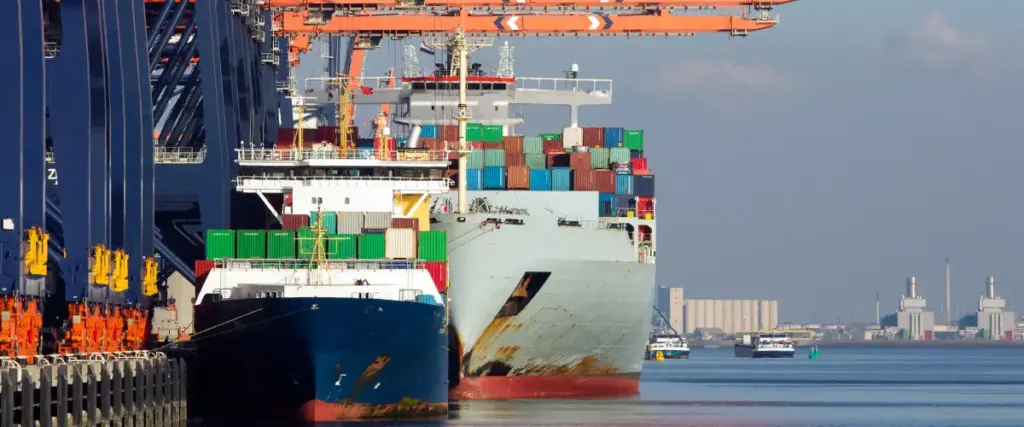
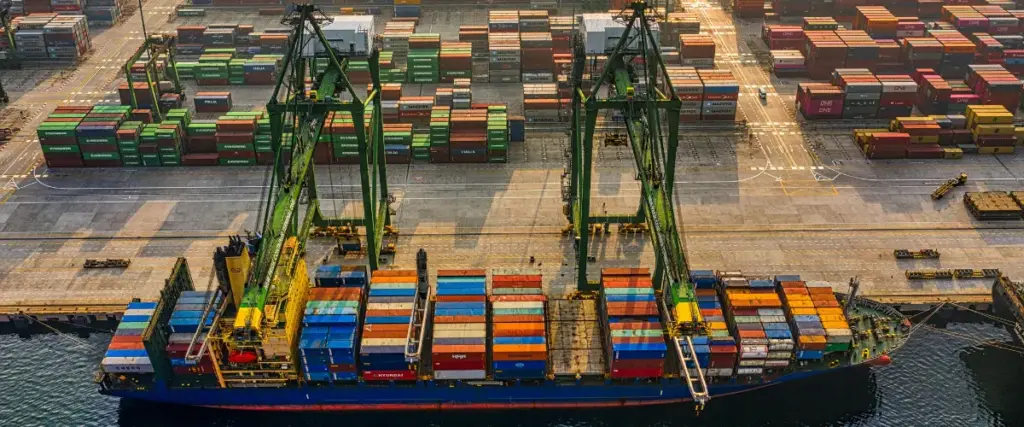
Some terminals operate with autonomous vehicles and automated cranes, moving containers day and night without human drivers.
6. Ships Are Being Guided Remotely
The port is actively testing remote-controlled and autonomous vessels, reducing human risk and improving navigation precision.
7. It’s Directly Connected to Europe’s Heartland
Through rivers, railways, highways, and pipelines, the port connects directly to Germany, Belgium, France, and other key European markets.
8. There’s a Hidden Pipeline City Underground
Beneath the port runs an extensive network of pipelines transporting oil, chemicals, hydrogen, and industrial gases across Europe.
9. Nearly 80 Seagoing Ships Arrive Every Day
On average, around 28,000 seagoing vessels visit the port each year, excluding inland barges.
10. Inland Shipping Is One of Its Secret Strengths
Thousands of inland vessels move cargo daily via the Rhine and Meuse, making inland shipping a quiet but powerful backbone of the port.
11. The Port Exists Digitally Too
Rotterdam operates a full digital twin of the port, allowing real-time simulations of traffic, weather, and infrastructure use.
12. It’s Becoming an Energy Transition Hub
The port is rapidly transforming into a centre for hydrogen, renewable energy, and carbon capture projects.
13. Nature Lives Side by Side with the Industry
Despite the heavy logistics activity, protected nature areas inside the port are home to birds, seals, and plant species.
14. Safety Is Managed in Real Time
Advanced monitoring systems track ship movements, weather conditions, and potential risks 24/7 to keep the port running safely.
15. Most of the Port is Off-Limits to the Public
What you see from the city is only a small fraction of the port, most of it operates behind restricted access zones.
Next time you’re in Rotterdam, remember that what you see is only a tiny part of the story. Behind the skyline sits a port bigger than the city itself, running day and night, mostly unnoticed. And honestly, now that you know these facts, you’ll probably never look at Rotterdam the same way again!