When goods arrive in the destination country, the real challenge often begins. The final kilometers required to move cargo from a port or warehouse to its end destination are known as last-mile delivery, and this stage is where many transport operations succeed or fail.
In this article, I focus specifically on last-mile delivery within national distribution flows, explaining how companies can organize the last mile efficiently and avoid delays. I will make emphasis in distribution through Rotterdam, where international transport connects directly with national distribution networks.
Index
- What Is Last-Mile Delivery in Logistics?
- How Rotterdam Acts as the Starting Point for Domestic Distribution
- From Warehouse to Final Destination: Where Domestic Distribution Meets the Last Mile
- Common Last-Mile Challenges for B2B Shipments in the Netherlands
- How to Arrange Last-Mile Delivery Successfully in the Netherlands
- How Portex Supports Reliable Domestic Distribution from Rotterdam
What Is Last-Mile Delivery in Logistics?
Before going in depth to the topic let’s first give a proper definition.
Last-mile delivery refers to the final stage of the transport process, covering the movement of goods from a distribution point, warehouse, or port to their final destination. In logistics terms, it is the last few kilometers of the supply chain, but often the most complex and sensitive part.
This stage typically involves local transport, precise delivery planning, time-slot management, and close coordination with receivers.
How Rotterdam Acts as the Starting Point for Domestic Distribution
The Port of Rotterdam is the largest port in Europe and a key entry point for global trade. Every day, vast volumes of goods arrive by sea and are transferred into the European logistics network.
For many companies, Rotterdam is the starting point of national distribution within the Netherlands. From here, last-mile delivery becomes the critical link between large-scale transport flows and the final consignee. Goods are unloaded, inspected, cleared through customs when required, and prepared for onward delivery to warehouses, distribution centers, factories, and end customers across the country.
At the same time, Rotterdam functions as a gateway to Europe. From here, cargo continues its journey via international road, rail, inland shipping, and short-sea connections. This dual role makes Rotterdam a critical hub for both national and international transport operations.
From Warehouse to Final Destination: Where Domestic Distribution Meets the Last Mile
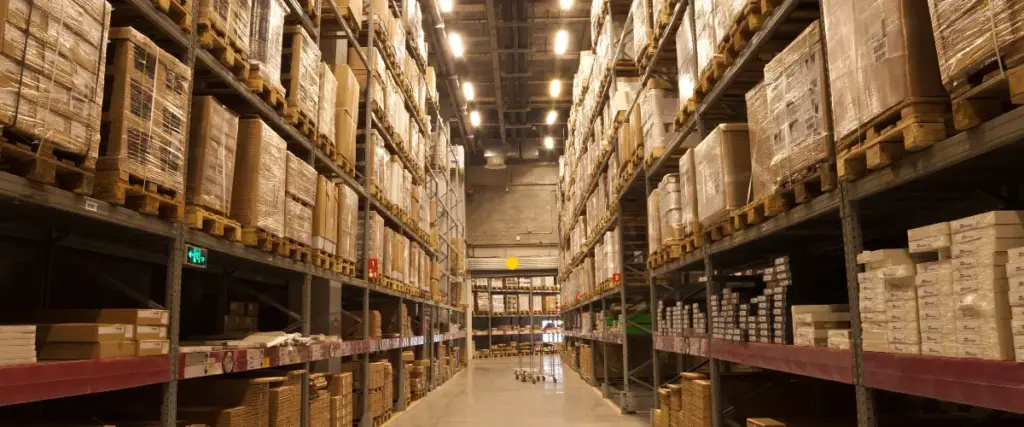
Warehouses play a central role in successful delivery. Without well-organized warehouse operations, last-mile delivery quickly becomes inefficient and unpredictable. After containers or trailers arrive in Rotterdam, goods often need to be cross-docked, palletized, sorted, or repacked before they are ready for final delivery.
This preparation stage ensures that shipments match delivery requirements, vehicle capacities, and destination-specific conditions. For many shippers, warehouses act as a link between international transport and national distribution, allowing goods to be consolidated or split efficiently.
If warehouse operations are not well coordinated with transport planning, delays quickly occur. Inefficient unloading, incorrect palletizing, or poor communication can disrupt the entire distribution process, impacting delivery times and reliability.
Common Last-Mile Challenges for B2B Shipments in the Netherlands
B2B last-mile delivery in the Netherlands comes with several recurring challenges that can significantly impact lead times, service levels, and overall delivery reliability.
The most common challenges include:
- Limited delivery time windows at warehouses, factories, and retail locations
- Urban access restrictions and environmental zones in city centers
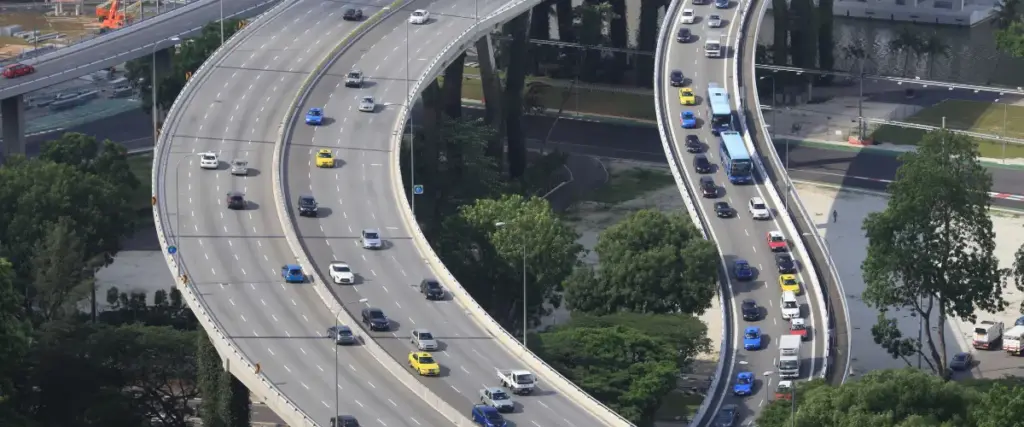
- Congestion around ports, industrial zones, and logistics hubs
- Coordination between multiple stakeholders such as shippers, customs agents, warehouses, and transport companies
- Special handling requirements, including temperature control or specific unloading equipment
Any misalignment between documentation, warehouse readiness, and transport planning can result in delays or additional costs.
How to Arrange Last-Mile Delivery Successfully in the Netherlands
This is where the most important part comes in. Put simply: the more parties involved, the more complex the process becomes, and the longer it takes.
When cargo arrives in the Netherlands by sea, final delivery is not automatic. Several steps still need to be completed, such as:
- Releasing the container or trailer at the port terminal
- Possible inspections or checks by authorities
- Payment of port and terminal charges
- Customs clearance and documentation
- Planning national transport to the final destination
These steps are often handled by different parties, including the client, shipper, terminal, customs agent, transport company, and receiver. As the number of stakeholders increases, so does the risk of delays and miscommunication.
This is why many companies choose a last-mile delivery-focused local distribution partner. A strong focus on last-mile delivery reduces handovers, improves visibility, and increases control over the final kilometers. By centralizing planning, communication, and execution, the delivery process becomes faster, clearer, and more reliable.
Fewer handovers result in:
- Fewer errors
- Better visibility
- More control over the final stage of domestic distribution
A strong logistics partner can manage port pickup, warehouse handling, customs clearance and national distribution as one integrated process.
How Portex Supports Reliable Domestic Distribution from Rotterdam
This is how we do it (song)
Portex supports national distribution from Rotterdam by combining local expertise, customs clearance, warehouse coordination, and a strong national transport network, with a clear operational focus on last-mile delivery. By handling last-mile logistics as part of a fully integrated national distribution from Rotterdam, we help businesses maintain control, visibility, and reliability throughout the final stage of transport. By managing the process from port pickup to final delivery, we reduce complexity and keep lead times under control.
If you liked this article and you would like to talk to me about the service you can always call us to +31 10 501 51 30, or contact us through the form, or reaching my colleague Patrick here in the right!
FAQS
| What is last-mile delivery? Is the final step of the logistics process, transporting goods from a warehouse or distribution center to their final destination. It is often the most time-sensitive stage. |
| Why is IT challenging in the Netherlands? Challenges include strict delivery windows, congestion near ports and cities, urban access restrictions, and coordination between multiple parties. |
| How does the Port of Rotterdam influence last-mile delivery? As a major entry point for international cargo, the Port of Rotterdam makes efficient last-mile delivery essential to move goods quickly from large transport flows to final destinations. |
| What is the role of warehouses in this process? Warehouses prepare goods through activities like cross-docking, consolidation, and palletizing to ensure smooth and efficient final delivery. |
| Can last-mile delivery be combined with customs and warehousing? Yes. Integrating customs clearance, warehousing, and last-mile delivery streamlines operations and improves lead-time control. |